



The Clear Back Passed. Can You Call the Whole Phone Case Anti-Yellowing?
No. If only the clear back panel was tested, its result does not support an anti-yellowing claim for the whole phone case. The bumper may use another material, and the finished case includes edges and joins that a flat sample cannot represent. Ask which part the supplier tested before you approve the quote or print the claim on a box.
For OEM and private-label orders, make the claim decision one SKU at a time. Check what the evidence says about each part and what it says about the assembled case.
Find out what the report actually covers
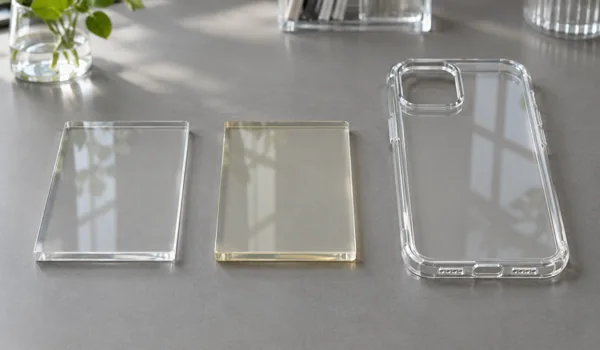
Look for a specimen description, a photo or drawing and a reference to the quoted revision. A flat piece molded from the proposed resin can help compare formulations. A molded part adds the actual shape and finish, but may still leave out an assembled edge. Only an assembled, representative case can show how its parts look together after exposure. Even then, a report with readings from only the center of the back leaves the frame unassessed.
| Evidence received | What it can tell you | What to do about the claim |
|---|---|---|
| Flat sample of the back resin | How that resin specimen behaved under the stated exposure. | Use it to shortlist materials. Do not turn it into a finished-back or whole-case claim. |
| Molded production-equivalent back panel | How the tested panel changed, in the areas the report actually assessed. | Consider wording limited to the tested back panel only if the result and the way the claim appears both support it. |
| Assembled case, back and frame assessed separately | Whether each agreed visible area met its own requirement and how they look together. | Consider a finished-case claim only for the tested revision, exposure and result. Check any area omitted from the report before including it. |
| Photo or report with no specimen ID | You cannot reliably match it to the SKU and construction on the quote. | Hold the claim. Ask for the original report or a new test on the approved configuration. |
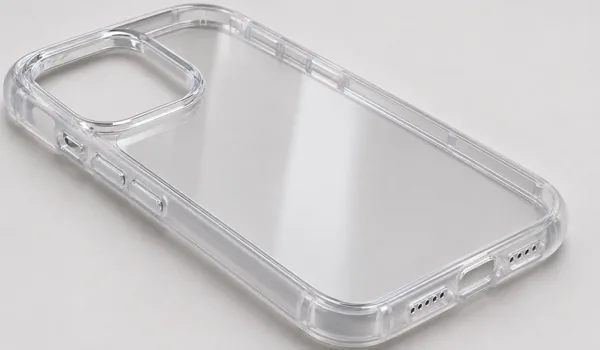
Mark the visible zones before testing
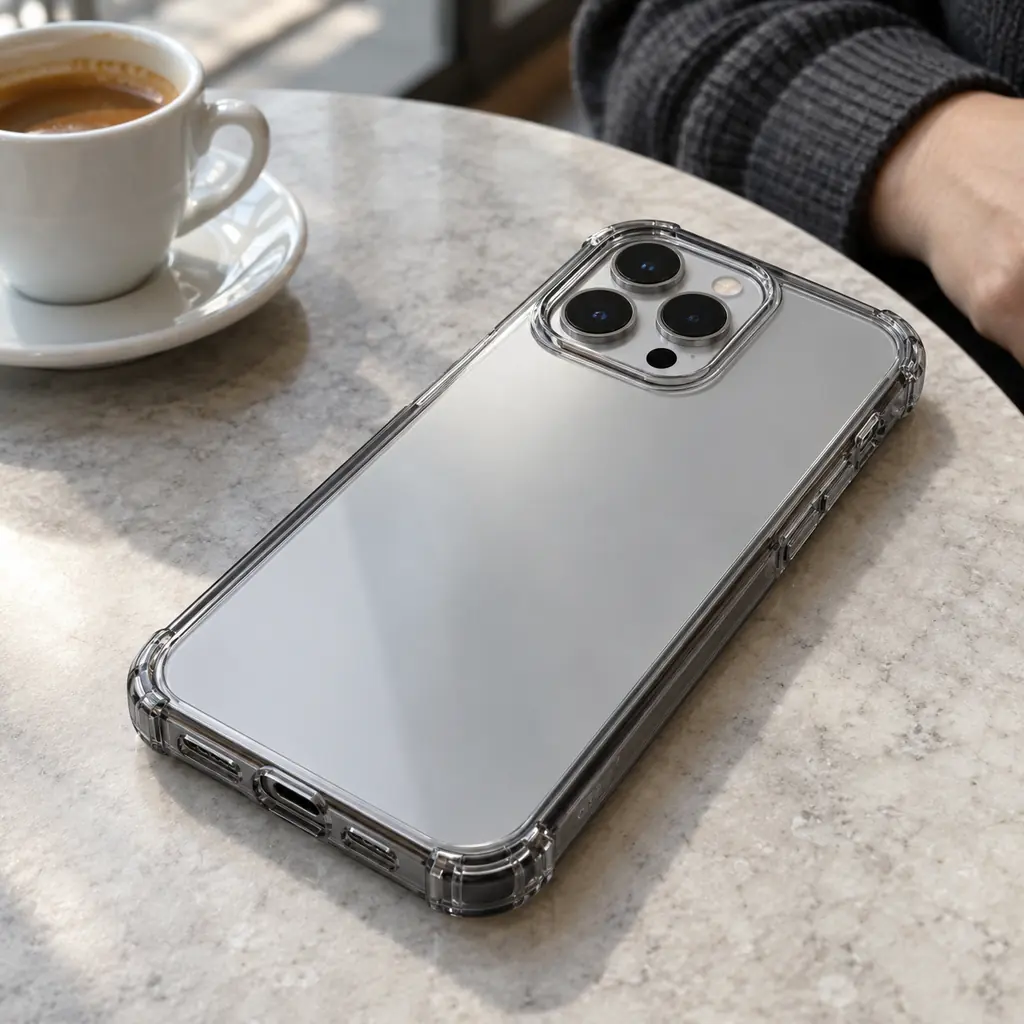
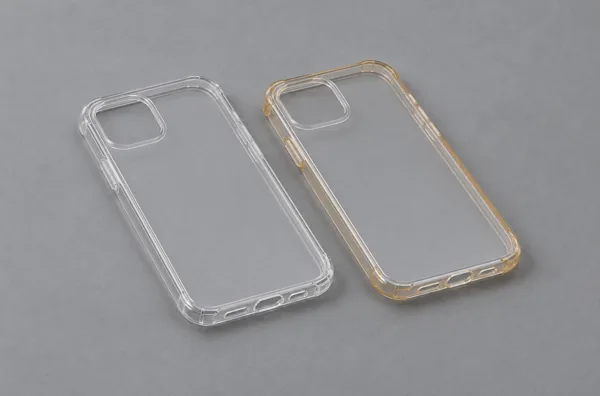
Draw the zones on a reference photo. For a hybrid case, start with the center of the rigid back, the flexible bumper and the visible join between them. Add the camera surround, covered buttons or decorative trim if they are separate parts or finishes covered by the proposed claim. The DUX DUCIS Samsung S26 clear magnetic case listing gives a construction example: a transparent PC back with a flexible TPU frame. Those material names identify different parts, not a measured aging result.
Agree how each area will be reviewed. A flat panel may have space for an instrument reading while a narrow curved rail does not. Let the lab choose and document a suitable fixture and geometry. If an instrument cannot reliably read the bumper, agree a separate visual check against a retained reference under defined light and background. Record the starting appearance and keep matched, unexposed samples so an original tint is not mistaken for a shift after exposure.
ASTM E313 describes how a yellowness index can be calculated when its conditions are met. It calls for comparing specimens of the same material and similar appearance. A reading on a flat PC back and one on a curved TPU edge should not be combined into a single case score. Compare each suitable zone to the corresponding starting condition, and report visible changes separately where a numerical reading is unsuitable.
Ask for the exposure conditions, not just a number of hours
ASTM G154 describes operation of a fluorescent UV exposure apparatus and allows multiple exposure conditions. A test name and time alone are not enough to compare quotes. Ask the lab to state the method and edition, lamp, exposure and moisture cycle where applicable, temperatures, specimen orientation, time and the actual observations. Agree on the acceptance limits in the purchasing brief before testing. A test method is not itself a pass criterion for phone cases.
A light exposure result also does not establish stain resistance or how stock will look after a particular storage route. If the intended claim depends on either, agree a separate check for that condition. Q-Lab explains why there is no universal conversion from accelerated weathering hours to outdoor service time. Do not turn lab time into months of clear appearance in everyday use. For a wider comparison of resin options and exposure types, use the phone case material guide.
Decide what to approve when the zones disagree
Suppose the back panel meets the agreed limit and the bumper shows a visible shift beyond its limit. Do not accept the whole case by averaging the two results. Decide whether you can sell it without a color-retention claim, qualify the wording so it clearly refers only to the back, or ask for a revised construction and another finished-case sample. A headline about the entire case with a tiny asterisk about the back can still give the wrong impression.
Record the product and sample IDs, the actual construction and finish, the result by zone and the exact wording you approved. Keep the tested revision attached to that decision. If the frame resin, colorant, coating or molding change affects the approved comparison, review the evidence again before using the old claim on the next lot.
Give the supplier a brief that can be checked
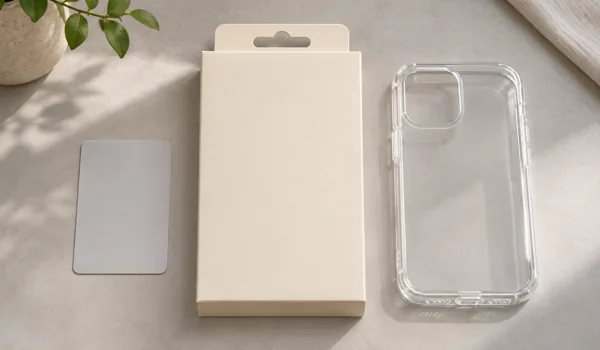
Send the SKU and intended construction, the marked-up zone photo, the conditions your claim is meant to cover, and the wording you want to use. Ask for the specimen list and proposed checks before commissioning a report. Then attach the findings and any approved wording to the OEM phone case sample approval record.
Часто задаваемые вопросы
1. Does a passing clear back prove the whole case resists yellowing?
No. A back-panel report covers only the specimen and areas tested. Review the bumper, any separate visible trim and the assembled appearance before making a whole-case claim.
2. Can I use a resin supplier’s test report for a retail claim?
Use it for material selection if it matches the proposed resin. A flat resin specimen does not establish the finished panel or the assembled case result. Ask for representative production-equivalent specimens for the claim you intend to make.
3. Which areas should the lab assess on a hybrid clear case?
Start with the back, the bumper and where the two meet. Include separate visible areas such as camera trim or buttons if the proposed claim covers them. Mark the points in a sample photo or drawing before exposure.
4. How can a lab check a bumper that is too narrow for the instrument?
Ask the lab to choose a suitable fixture or document an agreed visual comparison to a retained reference under defined lighting and background. Do not report an unreliable reading or replace the bumper result with the back-panel number.
5. Does ASTM G154 set an anti-yellowing pass limit for phone cases?
No. It covers operation of a fluorescent UV exposure apparatus. The lab needs to report the selected conditions, and the buyer and supplier should agree the zone-specific limits and review method in advance.
6. Can I convert a test duration to months of everyday use?
Not by using a universal conversion. Explain the conditions of the measured result and avoid a months-of-use promise unless you have a separate, validated basis for that exact construction and use scenario.
7. What if the clear back passes but the bumper changes color?
Do not approve a whole-case claim. Check whether wording clearly limited to the back is appropriate, sell the case without the claim, or revise the construction and test representative finished cases again.
8. When should I reconsider previously approved wording?
Recheck it when the quoted configuration or test evidence changes. A different resin grade, colorant, coating or molding revision can affect whether the earlier results still represent what you are buying.