


TPU vs. PC vs. Silicone Phone Cases: How to Choose Materials for OEM Orders
For OEM phone case orders, start with TPU when you need flexible edges or a one-piece flexible shell, PC when you need a rigid back or supporting structure, and silicone rubber when the brief calls for a particular soft exterior. A TPU-and-PC hybrid is worth comparing when the design needs both flexible edges and a firm back. The final choice depends on the grade, geometry, finish and test results of the assembled case.
That distinction matters when two quotations both say “premium material.” One may cover an uncoated shell; the other may include a rigid insert, surface coating and lining. This guide explains how to turn a material preference into a specification a supplier can quote and a buyer can approve. For broader supplier checks, use the OEM phone case manufacturer checklist.
TPU vs. PC vs. silicone: a comparison for OEM buyers
The table describes common design roles, not guaranteed performance. Grades and finished constructions vary. Use it to shortlist samples, then compare those samples against the same requirements.
| Option | Useful design role | Main purchasing trade-off | What to verify |
|---|---|---|---|
| TPU | Flexible shell, perimeter frame or covered buttons | Flexibility and fit must be balanced with shape retention; clear grades need an aging specification | Exact grade, hardness scale, wall thickness, recovery after fitting, color change and surface wear |
| PC | Rigid back, hard shell or supporting insert | A firm structure does not automatically provide a scratch-resistant surface or comfortable installation | Resin grade, thickness, finish or hard coating, fit stresses and cracking around cutouts |
| Silicone rubber | Soft exterior in a molded case or layered construction | Surface feel must be assessed alongside lint pickup, wear and the integrity of any inner support | Actual silicone specification, cured hardness, coating, lining, tear-prone details and bond quality |
| TPU + PC | Flexible perimeter combined with a rigid panel | More components introduce interfaces and assembly checks | Each component’s material, joint design, separation resistance, fit and complete-case performance |
What the three material names actually tell you
TPU: specify the grade behind the flexibility
TPU means thermoplastic polyurethane. It is a family of materials, so “TPU” alone leaves the compound and hardness unresolved. Lubrizol’s ESTANE 9000 information, for example, lists different aliphatic TPU grades and hardness values. That is a useful reminder to ask for an identifiable grade rather than treating all clear or flexible TPU as equivalent.
For a case frame, check how it behaves during installation and after repeated removal. Does the edge return to its intended shape? Are buttons comfortable to press? A soft sample that feels pleasant in the hand may still need changes around the charging port or camera opening. Write down the issue and its location rather than asking only for “better TPU.”
PC: separate structural toughness from surface durability
PC means polycarbonate. It is used where a design needs a firmer component, such as a back panel or internal support. Covestro’s Makrolon material overview describes toughness and transparent, translucent or opaque grade options. Those resin properties do not establish a particular phone case’s protection level.
Ask separately about scratches. A rigid surface can still show wear, and a matte texture can hide marks without preventing them. Covestro’s optical-materials brochure explains that a coating is needed for scratch resistance and weathering performance in its headlamp-cover application. It does not validate a phone case coating; it illustrates why resin and finish need separate specifications.
Silicone: confirm the exterior and everything underneath it
Silicone rubber is a different material system from TPU. WACKER’s solid and liquid silicone rubber processing guide describes several silicone systems with different processing and curing requirements. Liquid silicone rubber refers to the material used in processing; the finished part is cured rubber.
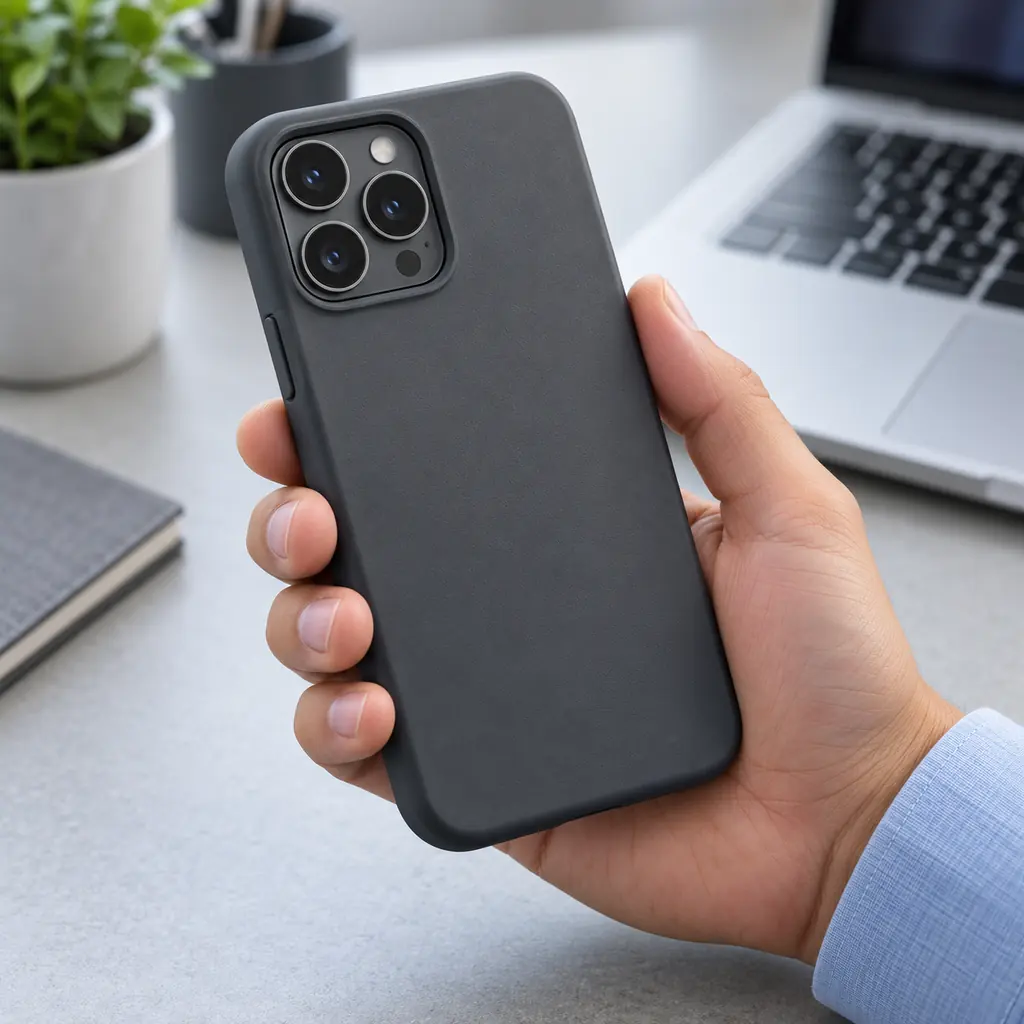
For purchasing, the important question is what the proposed case contains. Is silicone the molded exterior? Is there a rigid insert, a fabric lining or a surface treatment? Request a component drawing or written breakdown. A “silicone-feel” description may refer only to a coating on another substrate, so it is not enough to support a silicone-material claim on retail packaging.
Choose a construction around the product brief
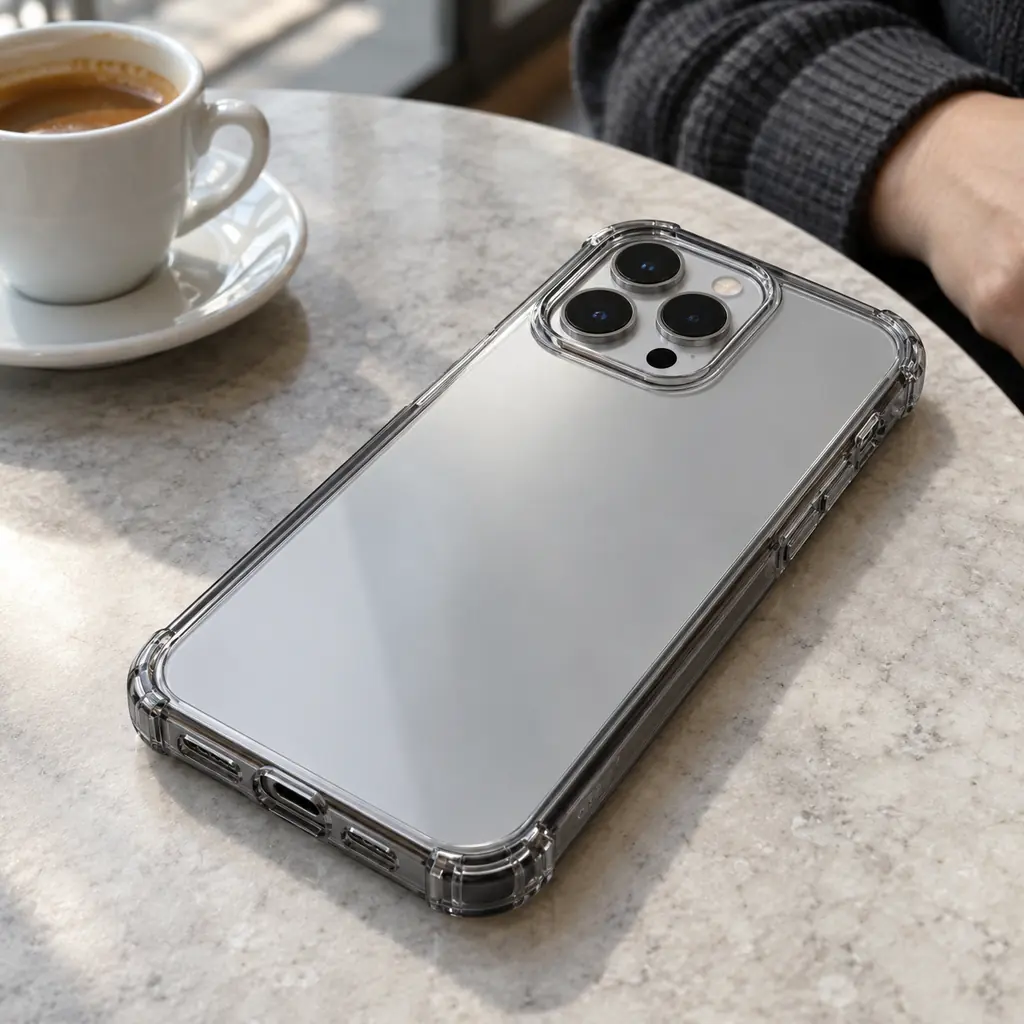
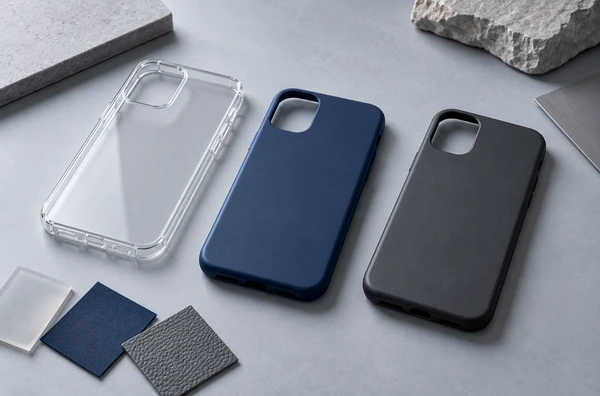
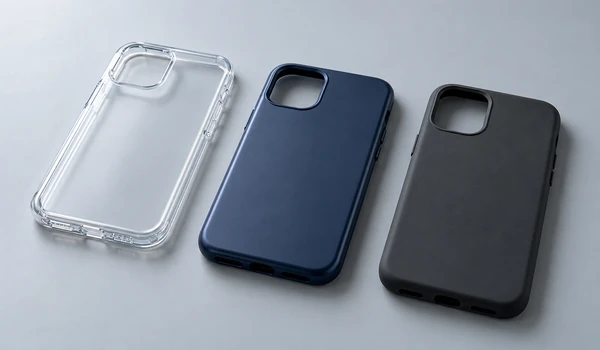
For a clear case, compare the back and frame separately
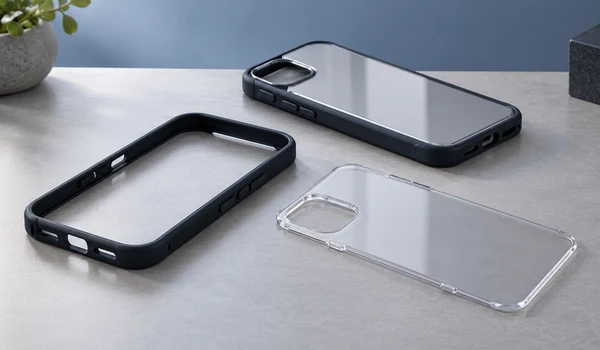
Shortlist a flexible clear shell and a rigid transparent back with a flexible perimeter if both fit the intended product. Compare initial tint, haze, visible mold marks and the appearance of the joint. Ask the supplier to identify the back-panel polymer explicitly; a clear back should not be assumed to be PC.
Use the same background and lighting when approving appearance. Keep an unexposed reference sample for later comparisons. Otherwise, a subtle tint change is difficult to judge from photographs taken on different phones.
For a soft-touch color range, approve the finish after wear
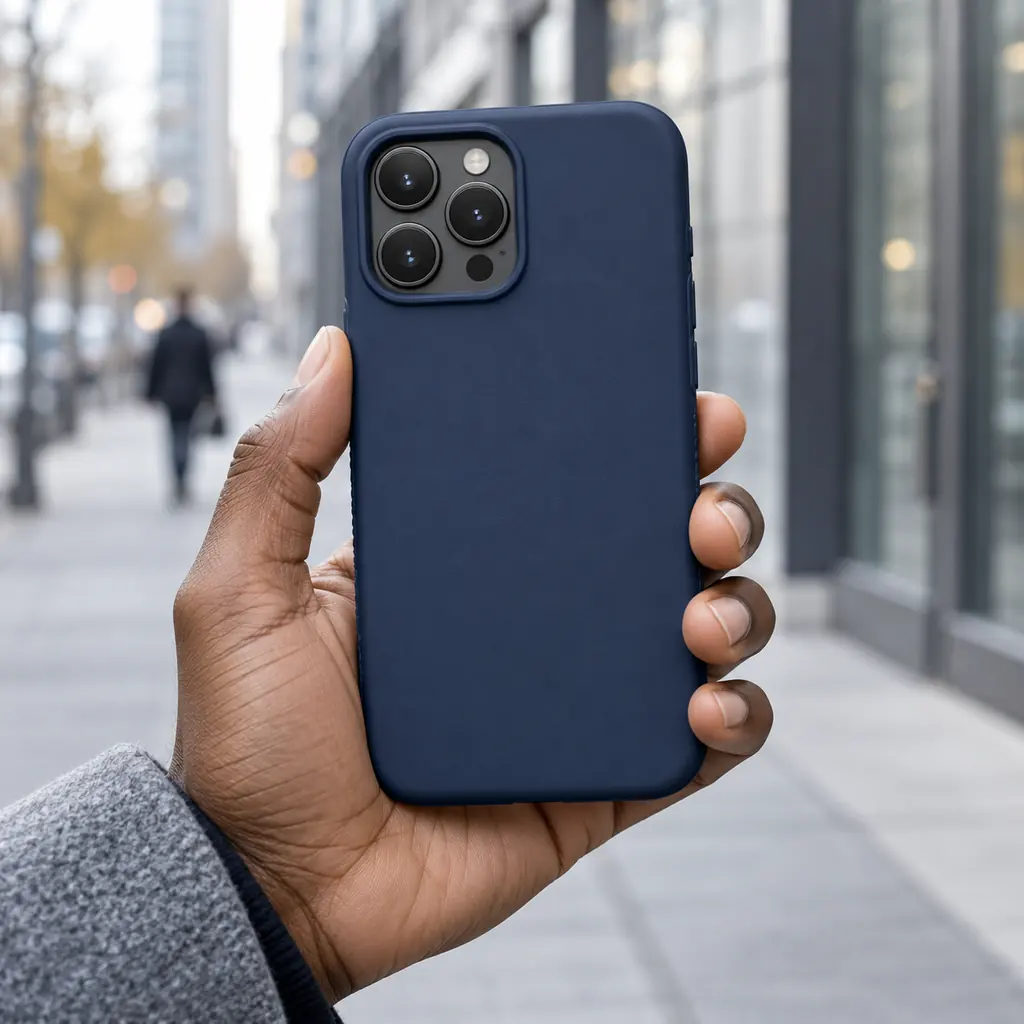
Put hand feel and pocket handling into the sample review. Assess lint pickup, cleaning, grip and visible rubbing on high-contact areas. Test the actual logo process on the final surface. A print approved on an unfinished sample may behave differently once a coating is added.
Ask for the intended cleaning instructions too. Choose exposure checks that match foreseeable use, such as contact with hand cream or the specified cleaner, and agree the method and acceptance criteria with the supplier or laboratory. Do not assume any material family tolerates every cleaner.
For a protective hybrid, inspect the interfaces
A TPU frame and PC back give the designer different properties to work with. They also create a joint that needs checking. Review separation at corners, gaps around the panel, sharp edges and stress near openings. If the construction uses adhesive or overmolding, identify the process and the evidence needed to accept the bond.
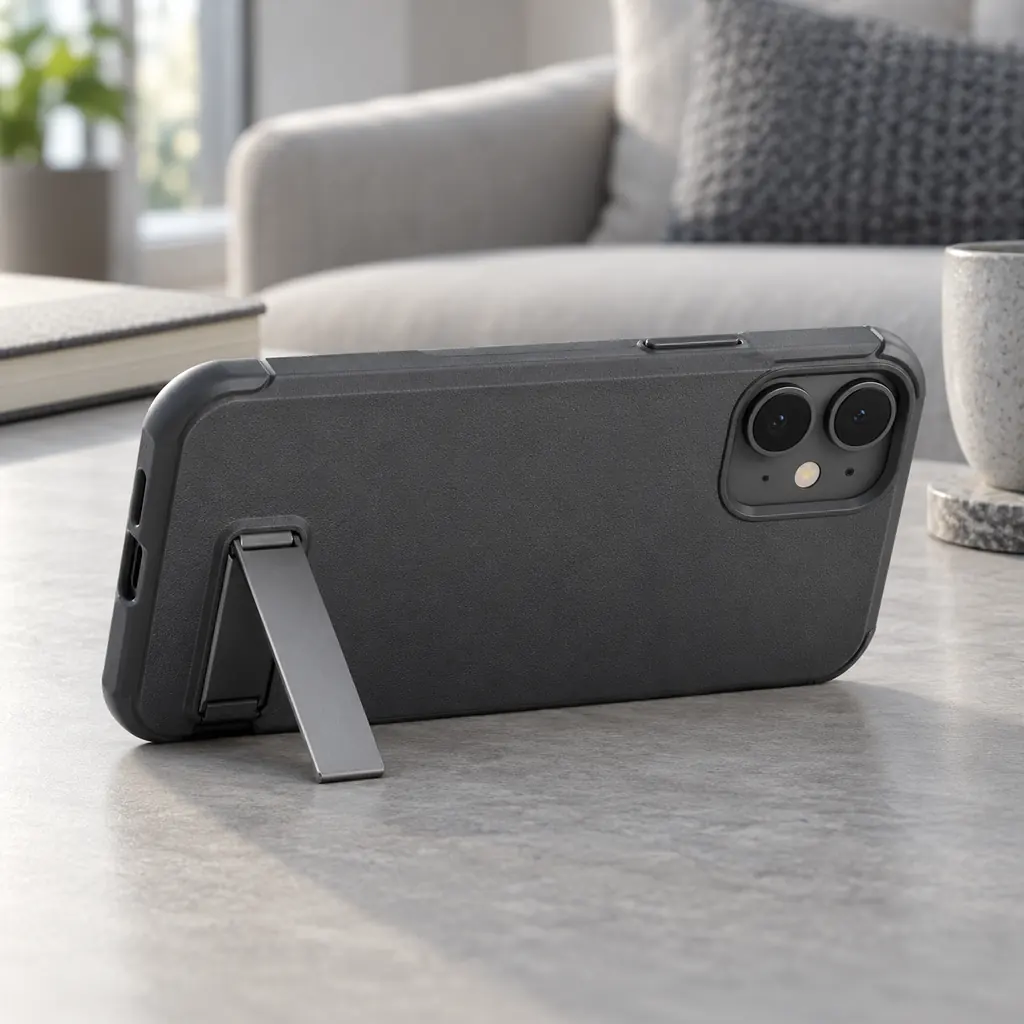
Inspect the complete configuration, including a stand, camera surround, lining or magnetic assembly where fitted. Adding a component after the original sample was tested can change the result.
Turn yellowing and protection claims into testable requirements
What an anti-yellowing claim needs
TPU chemistry matters. Lubrizol describes aliphatic TPU grades developed for color and UV stability. That supports comparing specified grades; it does not justify promising that every finished case will remain clear indefinitely.
Ask what “anti-yellowing” means in the quotation. Define the exposure source, duration, temperature, humidity where relevant, and the allowed change in yellowing index or color. Record the measurement method, specimen thickness and whether the test covers resin plaques, individual parts or finished cases. The permitted threshold belongs in the agreed specification, not in a guess based on a marketing label.
UV aging, heat exposure and staining are different checks. A strong result in one does not settle the others. Avoid converting accelerated exposure hours into years of consumer use unless there is a validated basis for that conversion.
What a drop-protection claim needs
Test the assembled case with the intended device or a clearly identified test substitute. Record the drop height, surface, orientations, number of drops, conditioning, sample count and pass criteria. Define whether a pass concerns the phone, case retention, cosmetic damage or all of these.
A material datasheet cannot establish that the finished phone-and-case assembly survives a particular drop. Nor does a result for one device model automatically cover every model in a range. Agree how the tested versions represent the variants you intend to sell.
Write a material specification that survives a repeat order
Give every quoted component its own line. A workable specification should include:
- The component name, polymer or compound identification, supplier grade and any agreed restrictions on substitutions or recycled content.
- Hardness where relevant, with the scale and method. A Shore A number and a Shore D number are not interchangeable values.
- Nominal thickness and tolerances at defined locations, supported by a drawing or approved measurement plan.
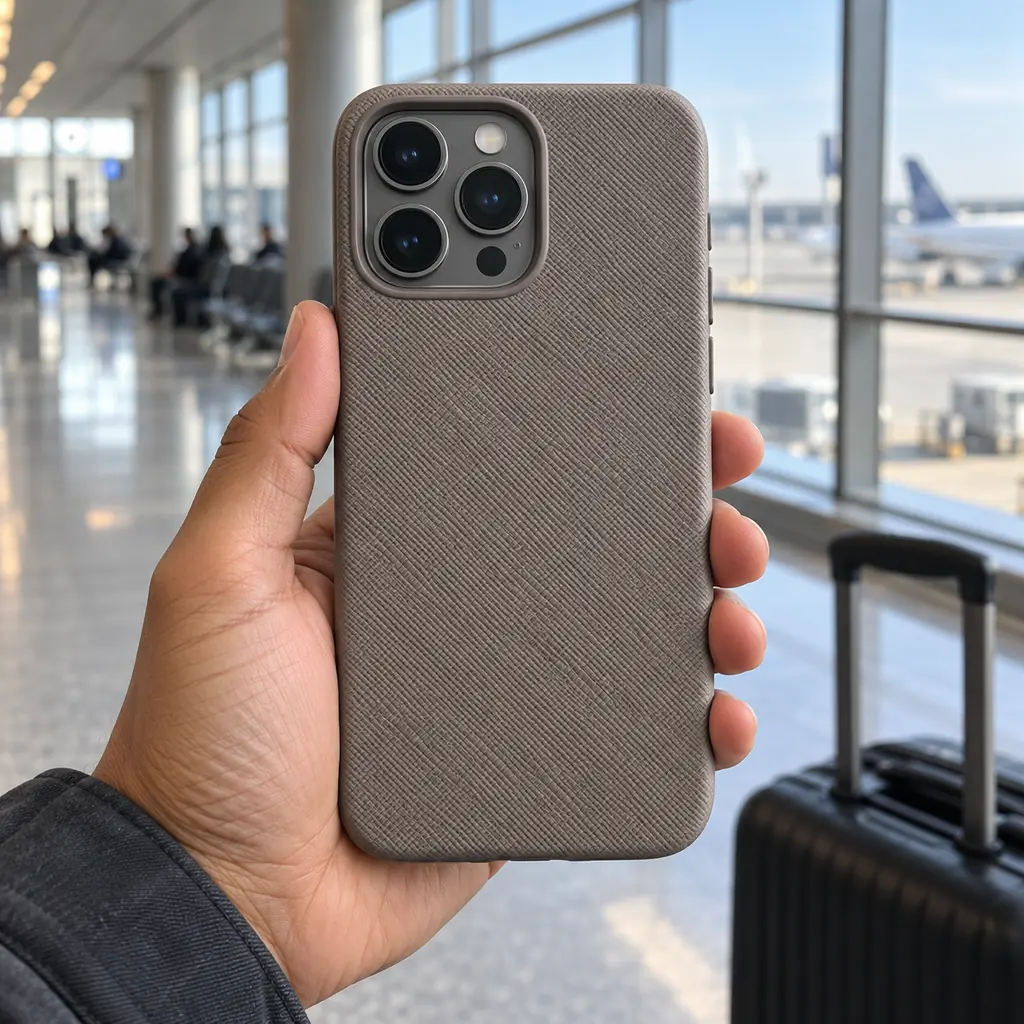
- Color reference, gloss or texture target, coating and print process, plus an approved physical reference.
- The assembly method and checks for joints, lining, inserts and other attached parts.
- Test methods, specimen identification and acceptance criteria for the claims in the sales brief.
Ask suppliers to flag proposed alternatives in the quotation. If the grade, pigment, coating or bonding process changes later, require a review before production release. The relevant checks may need repeating even when the replacement looks similar.
Keep material cost separate from the cost of the complete design. Tooling, molding complexity, surface treatment, assembly and inspection can change the price substantially. Compare alternatives using the same model quantities and acceptance requirements. There is no reliable universal price ranking for TPU, PC and silicone finished cases.
Approve materials in the finished sample
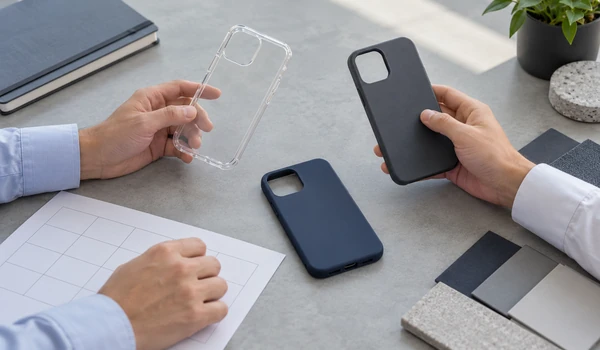
Use a signed sample record that ties the component specification to the exact phone model and version. Check installation, removal, retention and button operation first. Then review the finish and the agreed durability results. Record unresolved items explicitly; a sample with a provisional coating is not the final appearance reference.
For magnetic designs, evaluate the final case with the intended accessories. Apple’s wireless-charging guidance notes that thick, metal or battery cases can affect charging. Material selection therefore cannot replace a compatibility check of the complete assembly.
Before a reorder, confirm that the approved specification still applies. Keep reference samples and test records by version so that a new material or finish does not quietly inherit an older approval.
Frequently asked questions
1. Is TPU the same material as silicone?
No. TPU is thermoplastic polyurethane; conventional silicone rubber is a different polymer system that is cured during processing. Both can feel flexible, but their formulations, tooling and surface treatments differ. Ask for the material specification rather than accepting soft rubber as an equivalent description.
2. Is PC a good material for protective phone cases?
PC can provide a tough, rigid shell or back panel. Protection still depends on the finished design, including edge coverage, retention, wall thickness and the other components. Evaluate the assembled case in a defined drop test before making a protection claim.
3. Which material should I choose for a clear case?
Compare a clear TPU construction with a clear rigid back and flexible frame. Specify initial clarity, tint, haze and the permitted change after aging. A transparent product photo cannot establish which polymer is used or how the finished case will age.
4. Will an anti-yellowing TPU case stay clear forever?
That promise needs evidence and defined limits. TPU chemistry, stabilizers, coatings and exposure conditions affect color change. Request the tested grade and finished-case configuration, exposure method, duration and acceptance threshold. Accelerated testing does not automatically establish a fixed number of years in everyday use.
5. Does a silicone-feel finish mean the case is silicone?
No. A soft-touch coating on another plastic can produce a similar feel. Ask the supplier to identify the exterior material, coating, inner frame and lining separately. If silicone is part of the product description, confirm where it is used before approving packaging.
6. Is a harder case always more protective?
No. Hardness describes resistance to indentation under a specified test; it is not a drop-protection score. Case geometry, flexibility, retention and the way components work together also matter. Compare finished cases under the same test conditions.
7. Which material works best with magnetic wireless charging?
The material name alone cannot answer that. Test the exact case thickness, magnet layout and any metal parts with the intended phone and charger. Check alignment, charging stability and the performance you plan to claim; magnetic attachment by itself is not proof of charging compatibility.
8. Can I approve a new color using the original material test report?
Ask whether the new color uses the same grade, pigment system, coating and manufacturing process. A report may cover a defined family of variants, but that scope needs documentation. Review changes that could affect appearance, durability or the claim being made before approving the new version.
9. How should I compare TPU, PC and silicone quotations?
Give suppliers the same component specification, device list, finish requirements and test plan. Separate tooling, coating, printing, assembly and testing charges from the repeat unit price. A cheaper quote may describe a different construction, so resolve substitutions before comparing totals.
Discuss the material brief with DUX DUCIS
Browse the phone case catalog to identify relevant designs, then send the product links, device list and material requirements through the DUX DUCIS contact page. Ask which construction and finish options are available for those designs, and request samples against your written brief. Availability of a material or process should be confirmed for the specific project.