



Which iPhone Duo Cases Should You Stock First? 3 Styles to Compare
Choosing the first iPhone Duo cases for a retail or wholesale range starts with a simple question: what would make a buyer choose one style over the next? Three similar product photos are not enough. Each listing needs a difference that your sales team can explain without guessing.
A practical starting point is a frosted baseline plus one feature-led alternative. If your first two styles already cover the baseline and the hinge guard, add the stand only when your customer brief gives it a clear hands-free use. This approach keeps the initial range focused; it is not a sales forecast or a recommendation to commit stock before compatibility is confirmed.
Apple has announced iPhone Duo. That establishes the device name, not the fit or performance of a third-party case. This guide compares three entries in the DUX DUCIS iPhone Duo case catalogue; exact case compatibility and order readiness still need separate confirmation.
Three styles, three reasons to consider them
The shortlist below compares selected catalogue entries, not the entire category. It is not a good-better-best price ladder: no price comparison or measured protection ranking has been established.
| Style and reference | Listed distinction | Possible role in a first range | Decision before ordering |
|---|---|---|---|
Yind frostediphone-duo-yind | Frosted magnetic shell design | A straightforward baseline | Does the appearance suit your channel? |
Yind hinge-protectioniphone-duo-magnetic | Dedicated hinge guard | An alternative for customers asking about hinge coverage | Can you explain and substantiate the difference? |
KIND standduxducis-iphone-duo | Foldable, rotatable stand alongside hinge coverage | A hands-free option | Is there a specific viewing use case in your brief? |
1. Use the frosted Yind style as the baseline
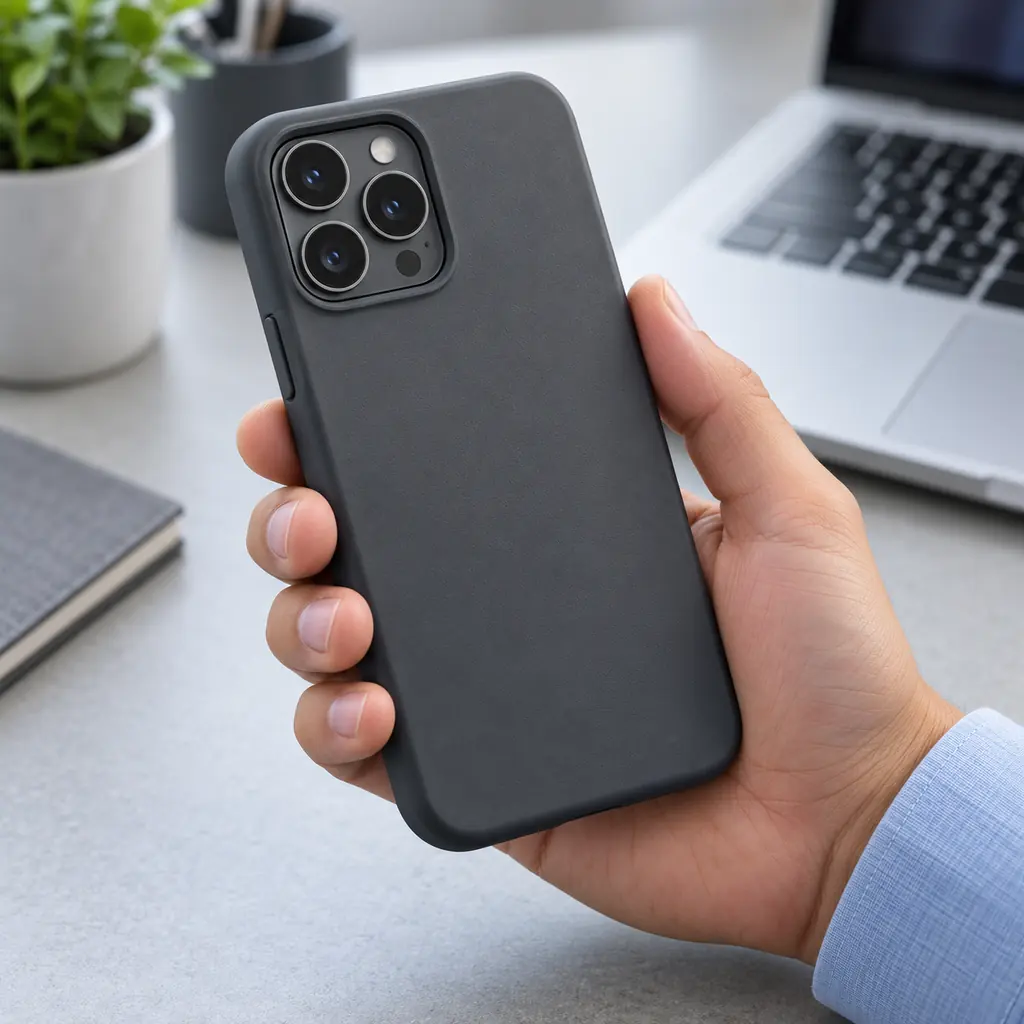
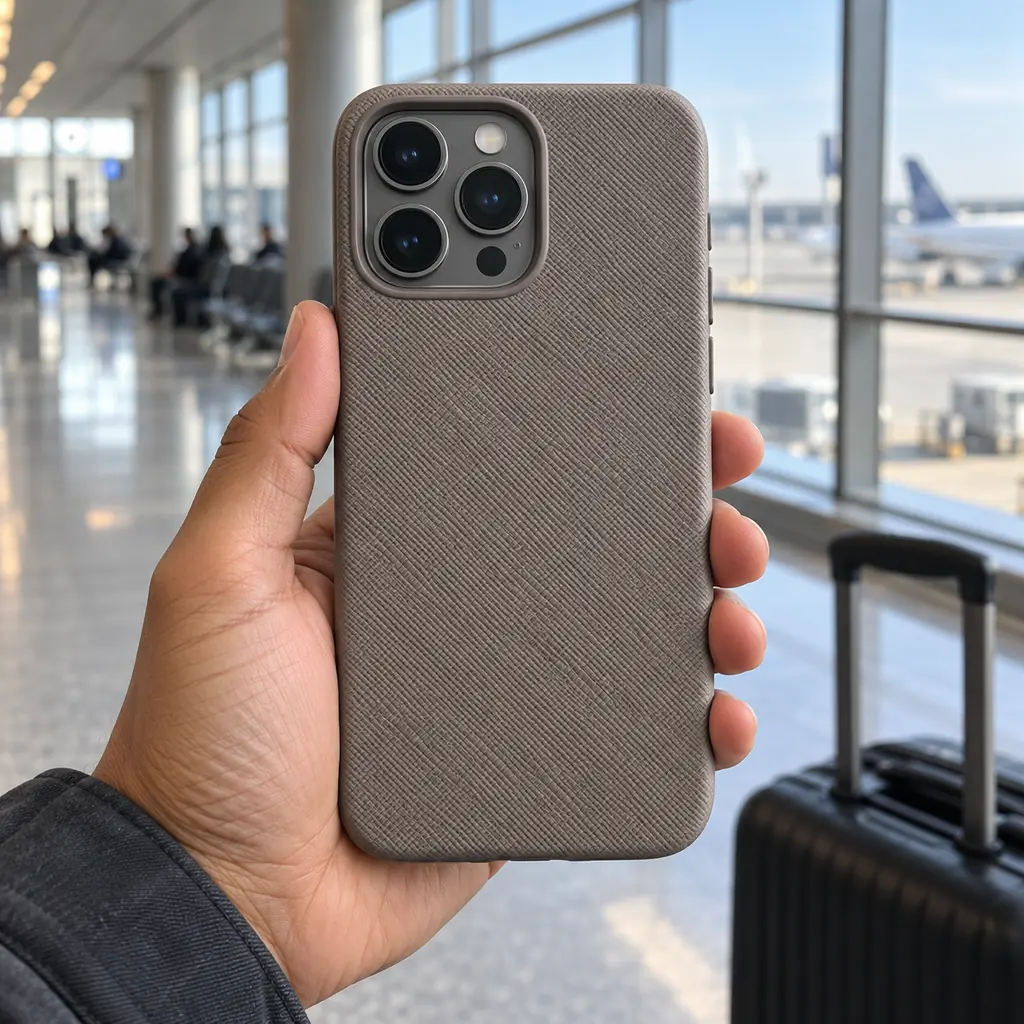
The Yind frosted magnetic case, SKU iphone-duo-yind, lists a frosted PC back, soft TPU edges and 38 positioning magnets. For a retailer, its proposed role is the simpler visual option against which to compare the added features of the other two styles.
Keep that role clear in the product presentation. Show the surface finish and overall shape before filling the description with accessory claims. Ask for a representative sample or an accurately identified image set, then decide whether the finish belongs beside the other cases you sell. A catalogue picture cannot settle how a surface feels in the hand.
“Baseline” is a merchandising choice here. It does not mean this SKU has the lowest price, the least protection or the highest likely demand.
2. Choose the hinge-guard Yind when coverage is the reason to buy
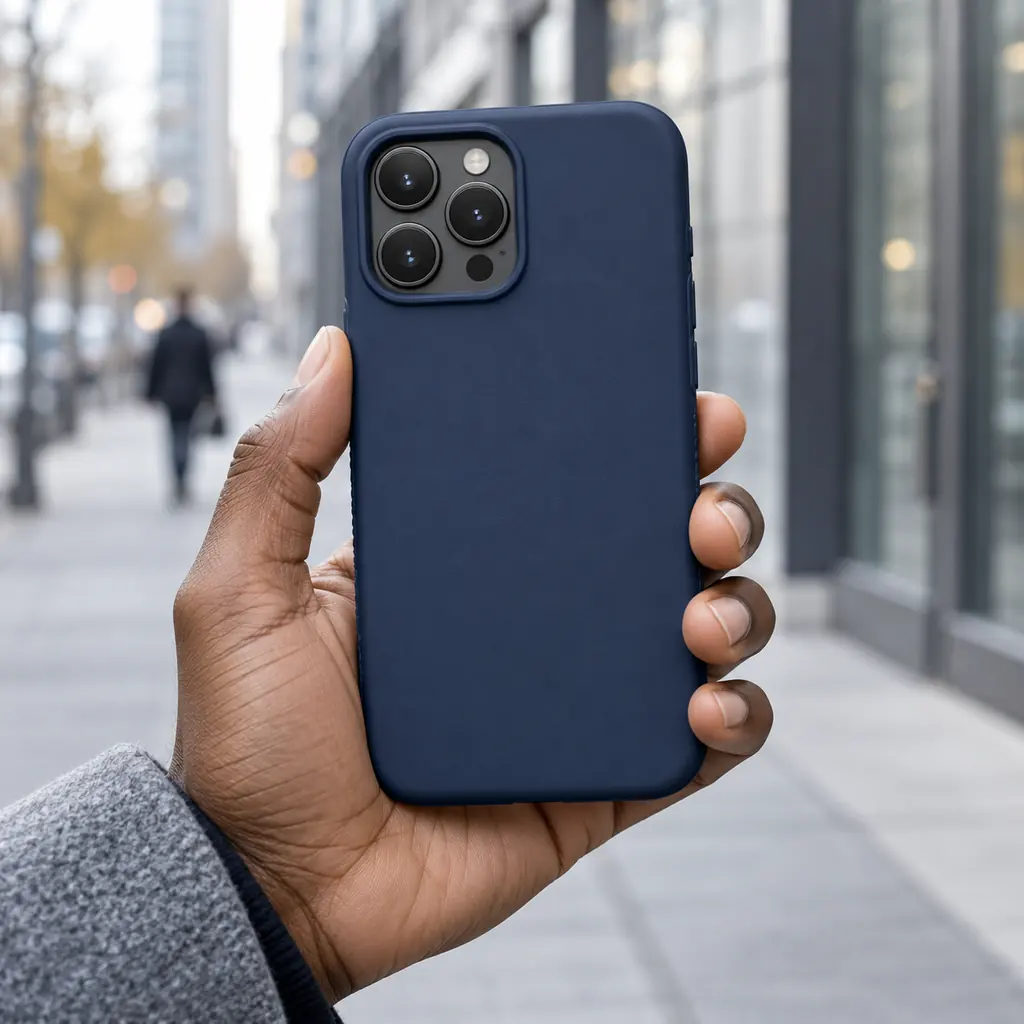
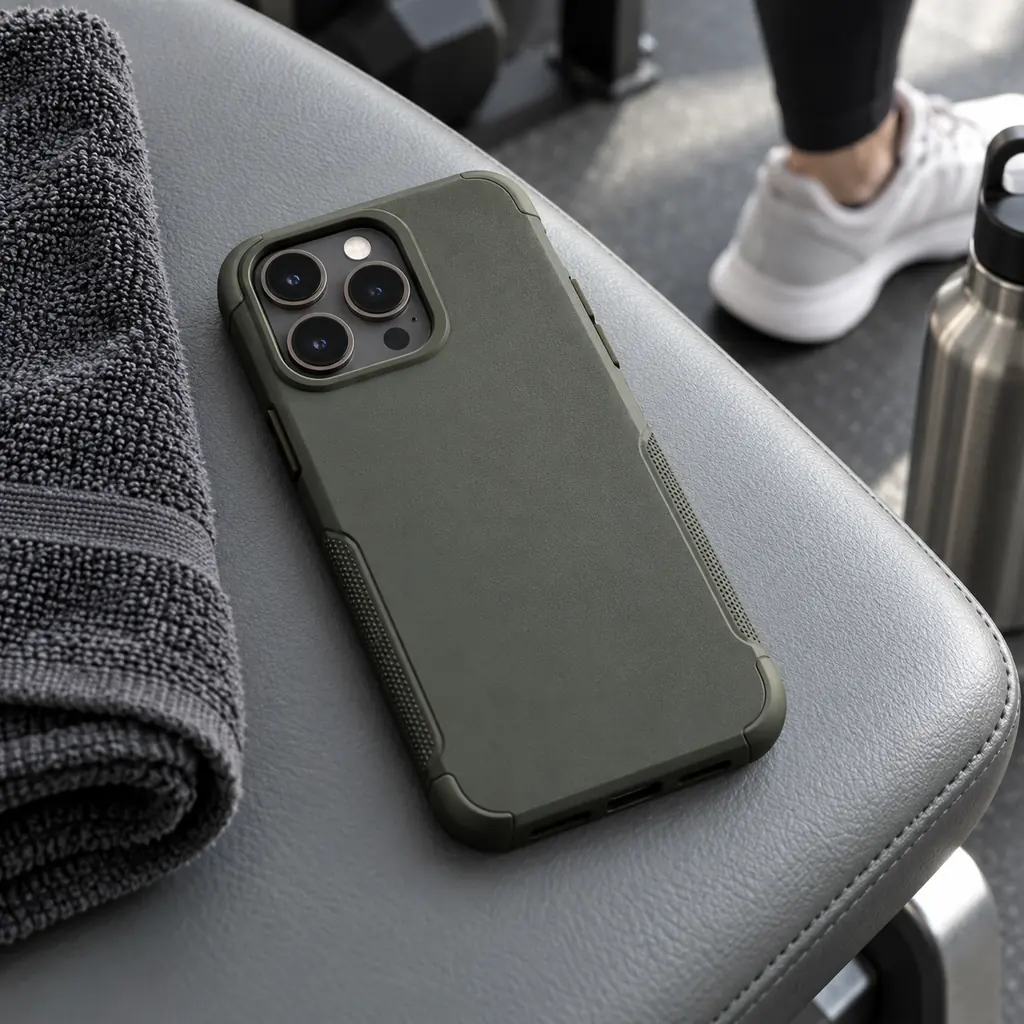
The separate Yind hinge-protection listing uses SKU iphone-duo-magnetic. It also lists frosted PC, TPU and 38 positioning magnets, with a dedicated hinge protector as the distinguishing feature.
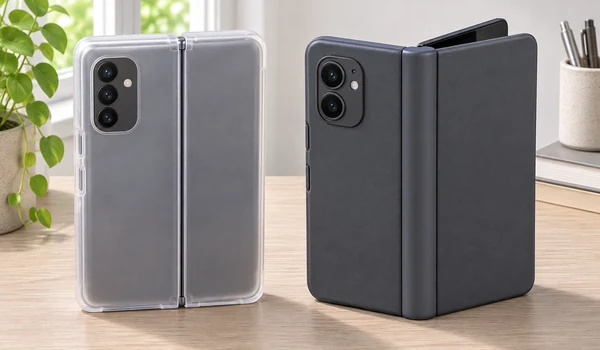
This version has a clear place in a range when customers are asking about the hinge area. Give it a separate image that makes the guard visible. Do not leave staff to distinguish it from the baseline using the shared series name or the word “magnetic.” Both appear in the same family of listings.
A guard is a construction feature, not a measured protection score. Avoid presenting the added coverage as proof of greater drop resistance or a guaranteed service life. Ask what evidence supports the exact claims you want to print, and keep unverified benefits off the shelf card.
For the separate physical review, use the foldable case fit and hinge-clearance guide. That guide describes a general inspection approach; it does not certify these products or establish fit for a particular device.
3. Add the KIND stand for a defined hands-free use case
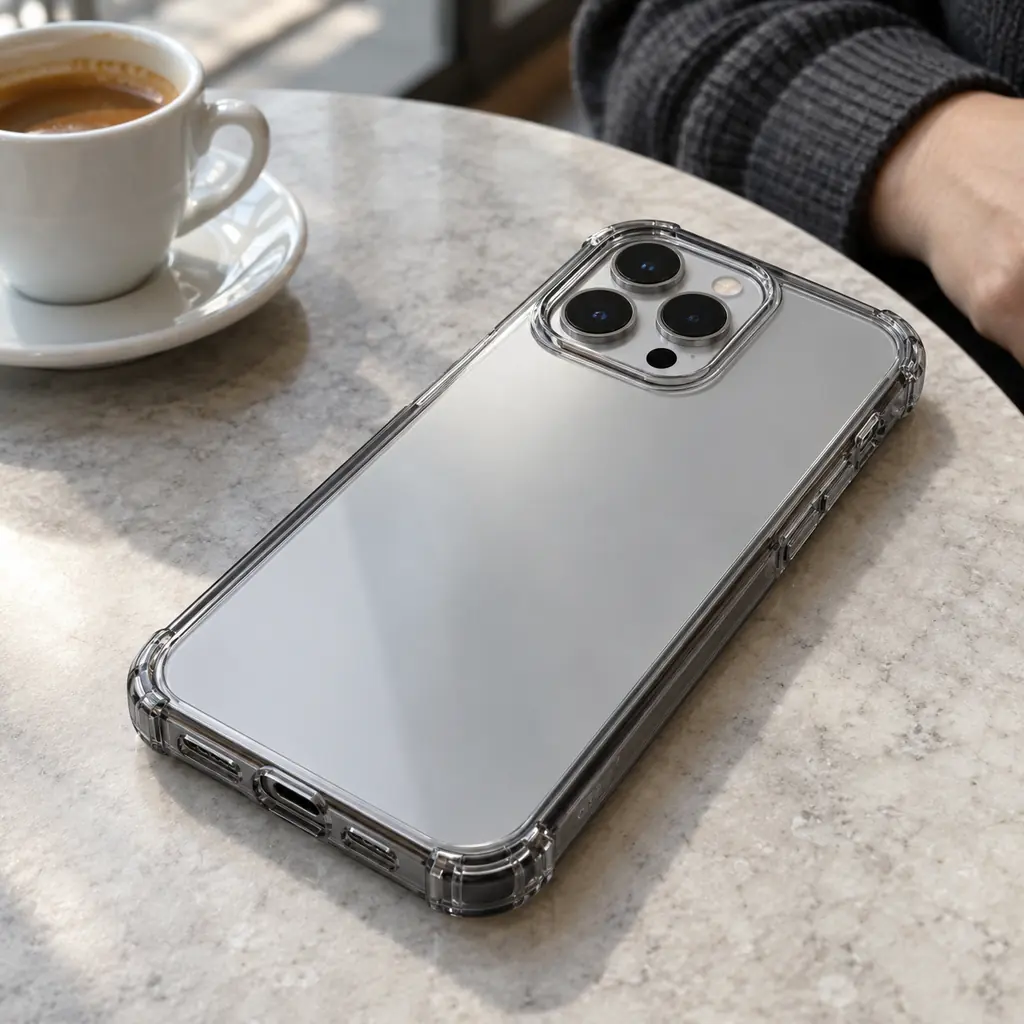
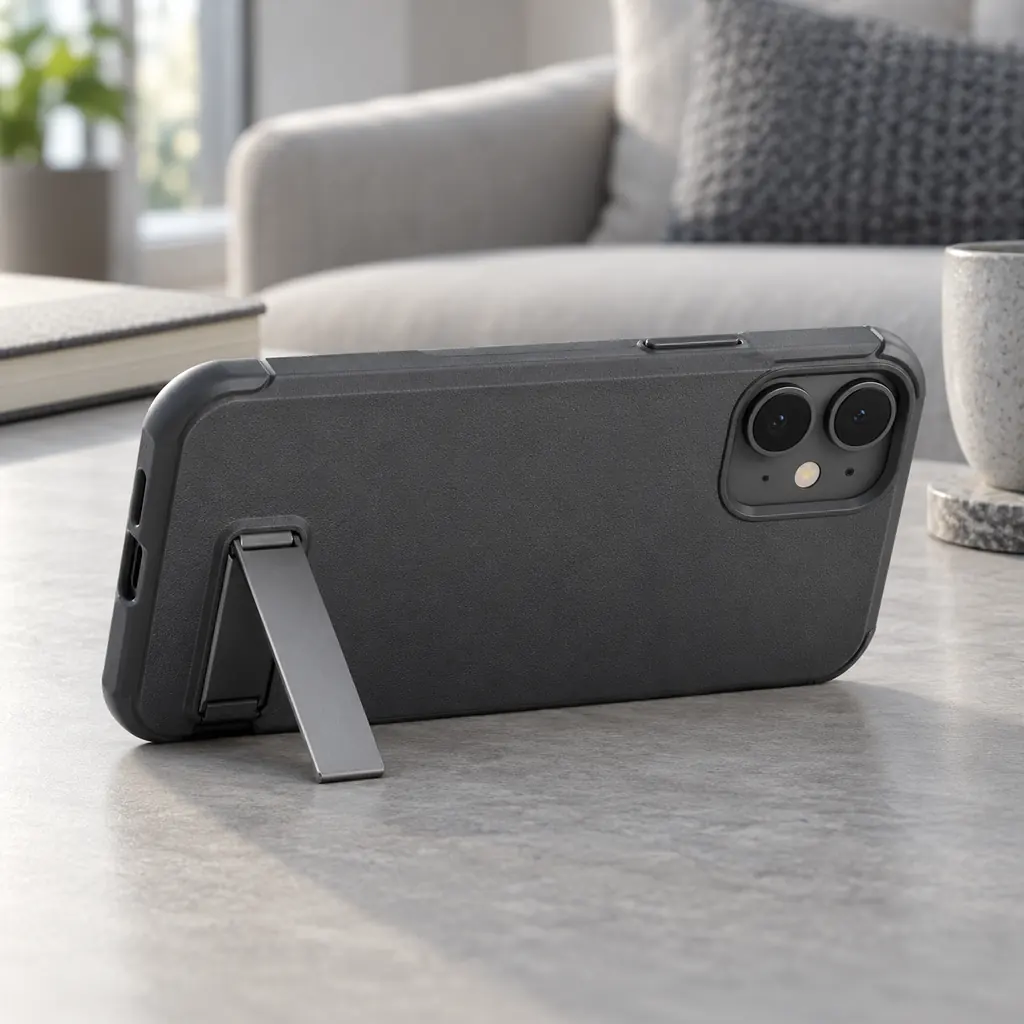
The KIND magnetic stand case, SKU duxducis-iphone-duo, lists a foldable, rotatable stand, a magnetic ring and hinge protection. Its intended merchandising distinction is hands-free viewing rather than another variation of the frosted shell.
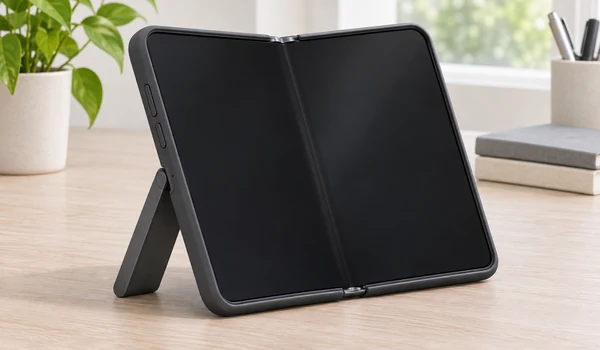
Be specific about why a buyer would choose it. A customer asking for a desk-viewing option gives you a clearer reason to carry a stand version than a wish to display every available style. Ask which positions the buyer actually needs and what evidence supports those positions. Do not turn “rotatable” into an unstated angle range or assume stability in every folded and unfolded arrangement.
Before approving your retail description, review the appropriate device and sample together; the stand listing alone does not establish a verified viewing experience. If a demonstration uses a dummy or dimensional model, identify it as such.
Build the first assortment around a choice customers understand
Start the buying discussion with two roles: a straightforward shell and one reason to choose something different. The second style can be the hinge-guard version or the stand version, depending on your channel. The stand does not have to wait until a later order if hands-free use is already part of the brief.
Bring in the remaining style when you can explain its separate purpose. For example, a retailer may want a covered-hinge option without making the stand the main selling point. That is a useful distinction to discuss with buyers, but it still needs a workable quotation and an approved product presentation.
There is no universal order split for this shortlist. Your existing customer enquiries, assortment gaps and purchasing limits are better inputs than an invented percentage. Request prices and available variants first, then decide whether each additional SKU earns its place.
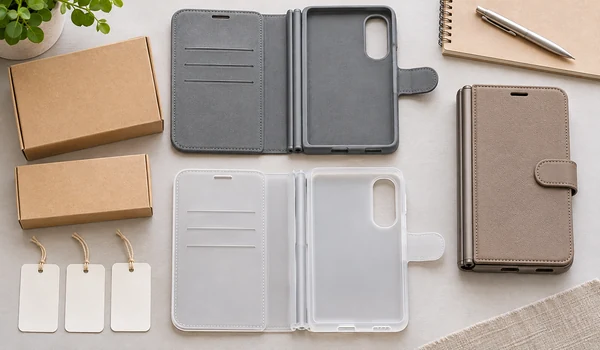
Keep catalogue selection separate from order approval
A style can make sense commercially while its compatibility or supply status remains unresolved. Keep a short record for each proposed SKU:
- The exact product reference, revision and matching images.
- The intended device identifier and the basis of the design, including whether evidence uses an actual device, dummy or dimensional model.
- The claims approved for your listing and packaging, with supporting evidence where needed.
- The selected colors, packaging details and current commercial terms confirmed by the factory.
If the supplier has not supplied actual-device fit evidence, record that gap rather than substituting “confirmed fit.” Ask for the evidence needed to approve the exact case revision. Do not promise availability to downstream retailers solely because a catalogue page is public.
Keep magnetic claims just as precise. The two Yind pages list a magnet count, but that count does not establish charging speed or certification. Request evidence for the actual combination you intend to describe, rather than copying a broad charging promise across all three listings.
For a first enquiry, send the selected SKU references with the role you want each style to fill. Ask the factory to confirm the exact version, fit evidence and current availability before you settle quantities. That gives the quotation a clear scope without turning an early shortlist into a premature stock commitment.
FAQ
1. Which iPhone Duo cases should a retailer shortlist first?
Start with a straightforward frosted design and one feature-led alternative. Choose the second style around a customer request you can identify, such as hinge coverage or hands-free use. This is a way to keep the assortment understandable, not a prediction of which product will sell best. Confirm the actual device fit and supply status before ordering.
2. Are the two Yind listings the same product?
No. The references in this comparison are iphone-duo-yind and iphone-duo-magnetic. The latter is the separately listed hinge-protection version. Use the SKU and an approved product image together on purchase documents rather than relying on the Yind series name alone.
3. Does the iPhone Duo name prove that a listed case fits?
No. Apple has announced iPhone Duo, but that does not verify any particular third-party case. Match the factory’s exact SKU and revision to the intended device and obtain fit evidence before making compatibility claims to customers. A shared product name is not a sample approval.
4. Do 38 positioning magnets guarantee charging performance?
No. A magnet count describes part of the listed construction. It does not establish charging speed, accessory compatibility or certification. Any retail claim about charging needs evidence for the exact case, intended device and charging accessory combination.
5. When is the KIND stand style worth adding?
Consider it when your customer brief includes hands-free viewing. Before adding it, confirm the intended positions and review the sample under those conditions on the intended device. A stand feature should have a clear reason to occupy a separate product listing; it need not be included just to complete the range.
6. Should the first order include every listed color?
Not automatically. Use your own channel requirements and customer feedback to choose colors, then obtain confirmation of the available variants. Keep the SKU, color name and image linked in your order records. This comparison does not recommend a stock ratio or establish which color will sell fastest.
7. Can listing photos be used as proof of real-device fit?
No. A photo can help identify a style, but fit approval needs the correct case revision and intended device reference. Record whether any supplied demonstration uses an actual device, a dummy or a dimensional model. If actual-device evidence is not available, keep that limitation visible in your approval record and avoid claiming verified fit.
8. What should a wholesaler confirm before releasing a bulk order?
Confirm the exact SKU and revision, intended device reference, accepted sample or other agreed evidence, colors, packaging and permitted product claims. Ask separately for current availability, minimum quantities and delivery terms. Keep unresolved compatibility or supply questions out of promises made to downstream retailers.