






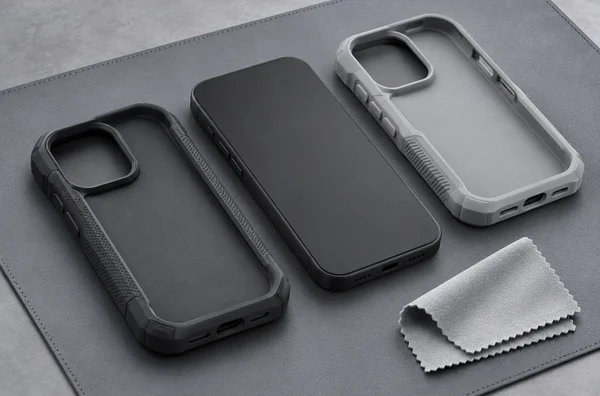
Does Your Phone Case Still Grip With Damp Hands?
A matte case can feel steady in your palm and still shift when your thumb meets the side rail. If you buy phone cases in bulk, compare what the hand actually touches: usually the rails and lower corners. Fit each sample to the same phone-shaped dummy. Make separate notes for dry hands and lightly damp fingertips.
Use a reference case from the range you already sell or a sample your team has approved. Agree what counts as a shift or a corrective regrip before anyone handles the two cases.
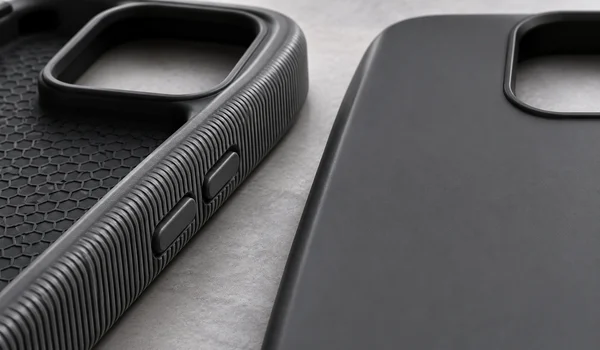
Where does the hand make contact?
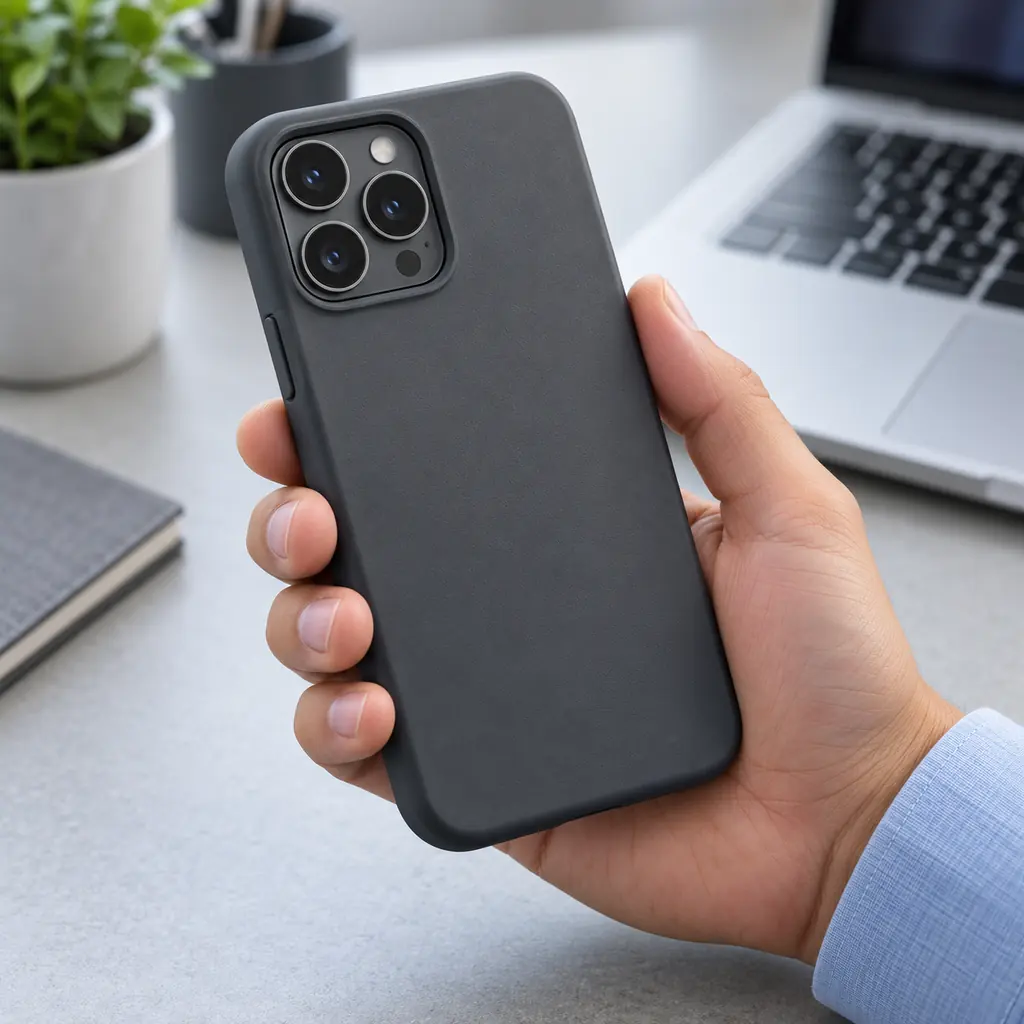
Take a photo of the sample and mark the spots your fingers touch during a pickup and when you change hands. The back, rail and corner can have different textures or shapes. If you check the back, give it its own line in the notes.
The DUX DUCIS Piel catalogue listing describes a liquid silicone exterior with a PC support layer and microfiber lining. Those details identify the construction; the listing does not show how a damp hand holds it. Ask for the exact finish and variant you intend to buy. The DUX DUCIS OEM/ODM page lists grip, edge profile and finish among the details buyers can specify for protective cases.
Keep dry and damp observations separate
Start clean and dry. Use one compatible, nonpowered dummy that represents the phone’s fit and weight. Pick it up just above a padded tray, move from a two-hand hold to your usual one-hand hold and set it back down. Keep your free hand ready to support it. This is a handling check, not a drop trial.
For the second check, agree what lightly damp fingertips means and prepare them the same way each time. Keep electronics out of it; don’t spray the sample. If moisture transfers to the rail, reset that surface and the reviewer’s fingertips before the next run. Use the same motions for each reviewer, but switch which case they try first.
A controlled study of fingertip contact on glass found that skin hydration affects contact. The researchers did not test phone cases. Use that finding to keep the two handling conditions separate, not to predict which finish will win.
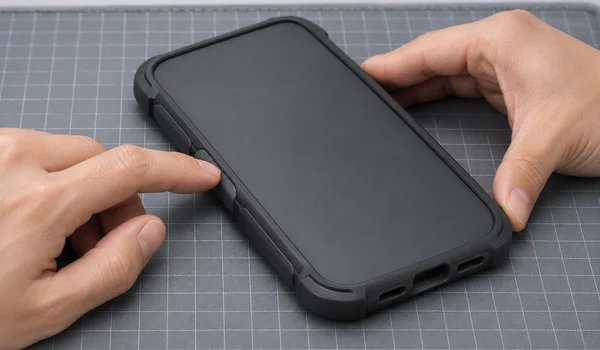
Record any shift and where it happens
If you move your thumb because the trial calls for a change of hold, that is part of the motion. If it moves again to stop a slide, record a corrective regrip. A rough rail can feel unpleasant and still hold steady. Keep comfort in its own column.
| Check | Hold constant | Record separately |
|---|---|---|
| Dry pickup | Dummy, start position and ordinary grip. | Rail or corner movement, unplanned regrip, or no observed shift. |
| Lightly damp pickup | Same motion, agreed light dampening and dry reset between samples. | Contact zone and whether the sample moved before the reviewer could settle the hold. |
| Change of hold | Same hand position and movement sequence for both cases. | Planned changes versus corrective regrips; keep dry and damp notes apart. |
| Reviewer comfort | Same identified surfaces and reasonable hold. | Pressure spots or rough edges as separate comfort notes. |
Put the sample ID, reviewer, hand condition and contact zone on each record. One buyer might require no corrective regrip during the agreed movements; that is an example, not an industry limit. Decide beforehand how to handle a disagreement between reviewers. If people differ, keep the separate observations and review the contact zones before signing off.
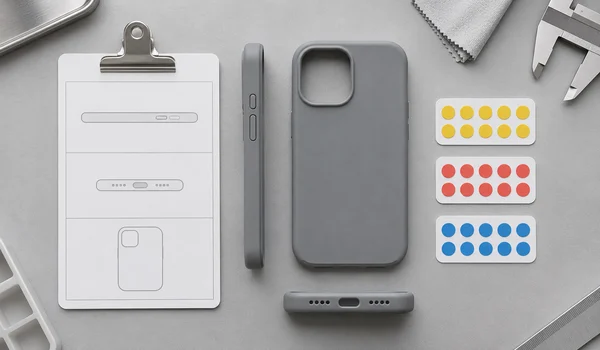
Match the claim to what you actually checked
If a supplier sends a friction result for a flat material coupon, ask what touched the coupon and how it was tested. Keep the report. Then check the actual rail: a flat coupon doesn’t have the case’s curve, corners or finished contact texture.
You can verify a description such as “textured side rails” by inspecting the part. “Better grip” needs a named reference and stated conditions. Avoid an absolute “non-slip” promise based on this check. A damp-hand comparison also tells you nothing about water resistance or how the finish ages with repeated sweat exposure.
Include the exact device and case variant in your enquiry. Send a photo of the grip zones and name the reference sample. Keep the approved case with the test notes so a later change to rail shape, texture or coating can be checked against the same reference. The OEM sample approval checklist covers the other checks you should still run.
Frequently asked questions
1. How should buyers compare phone case grip with damp hands?
Fit the reference and candidate cases to the same compatible, nonpowered dummy. Use the same supported pickup and change-of-hold motions. Run dry and lightly damp conditions separately and note the exact contact zone where any unplanned shift or corrective regrip occurs.
2. Does a matte back mean a phone case has better side grip?
No. The back and side rails can have different materials, textures and geometry. Compare the surfaces the hand actually touches and keep any back-panel observations separate.
3. Can we use the customer’s phone for a damp-hand check?
Use a compatible, nonpowered dummy with representative fit and weight for the damp comparison. Keep it close to a padded surface and supported. Do not wet a working phone or test by intentionally dropping the sample.
4. Should we use water and artificial sweat interchangeably?
No. A lightly damp handling check describes only the condition used. It does not show how the finish behaves after exposure to sweat, oils or cleaning chemicals. Treat those as separate questions and agree the conditions needed for each.
5. What is the difference between grip and comfort in the result?
Record movement or an unplanned regrip as a grip observation. Record pressure spots or excessive roughness as comfort observations. A finish can feel uncomfortable without moving during the agreed motion.
6. Does a friction report for a material coupon tell me how the finished case grips?
A coupon report describes the material under that test’s conditions. It does not measure the shape or texture of a finished rail in the hand. Use it as material information and check finished samples separately.
7. How many people and samples should be included?
Set the sample and reviewer counts before you start. If hand fit or preference affects the decision, include more than one reviewer and keep their notes separate. A small trial can help you select a sample; it does not represent all customers.
8. What changes should trigger another grip comparison?
Recheck the relevant zones if the supplier changes the rail texture, coating, material or shape. Use the documented reference sample and the same agreed conditions. Review any marketing wording that depended on the earlier result.