




Will a Phone Case Stay Snug After Repeated Removal?
A phone case can fit well out of the box and still loosen at a corner after repeated removal. Before a bulk order, test installation and removal on the same marked samples, then compare how those cases sit and release against their starting condition. This is particularly useful for cases sold to buyers who swap accessories, clean their phones often or fit cases at a retail counter.
Start with a case that fits correctly
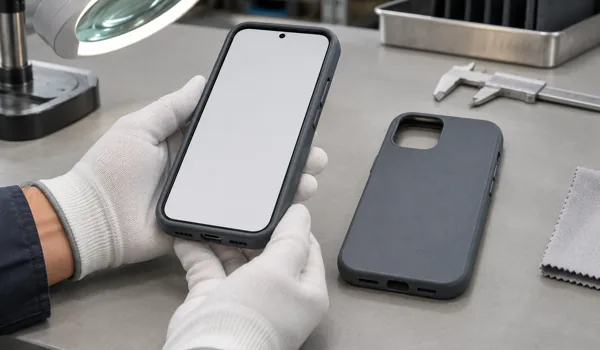
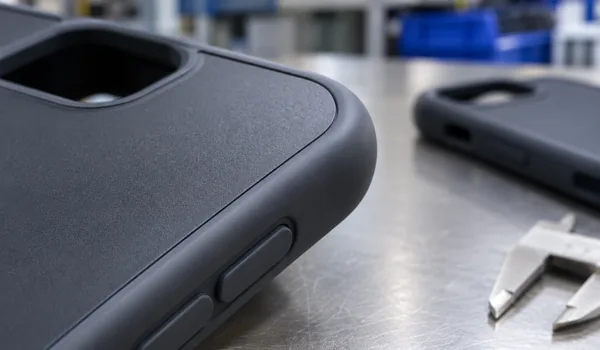
Use the exact phone model on the order. Photograph the four corners and long edges with the case installed, and note any gap or movement before cycling. Keep a second sample from the same configuration out of the trial for comparison. If the test case starts with a lifted corner, record that as an initial fit issue instead of calling it wear later.
Repeat the removal method the customer will use
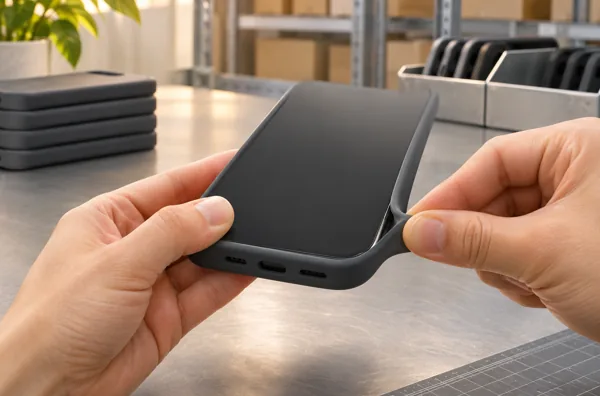
Flexing a corner of a one-piece shell and releasing the tabs of a split shell are different operations. Belkin’s SheerForce Grip instructions start with a bottom corner and work around the edge. OtterBox’s Defender FAQ describes removing the outer layer before releasing the rigid pieces. These examples explain why the same removal sequence should not be copied across case designs.
Agree on the release point, cycle definition, count and inspection intervals before the samples arrive. Use the intended customer instructions, not a special factory technique that would be hard to reproduce. If fitted samples become difficult to remove, record where the case catches and stop rather than prying against the device. If the order has several constructions, do not carry the result from one construction over to the others.
Check fit again before approving the order
Inspect the case both off and on the phone. Off the phone, look for whitening, cracks, a bent retention lip, a separated seam or a liner that has shifted. Once it is back on, see whether each corner seats in the same way and whether normal handling shifts the case. A visual mark and a loose corner are separate findings. Record each against the criteria agreed for the order.
| Checkpoint | Record | What the result tells you |
|---|---|---|
| Before the first cycle | Case and device IDs, fitted photos, starting gaps and removal method | Separates initial fit from changes during the trial. |
| At agreed intervals | Completed cycles, release point, any change in effort and the location of marks | Shows whether the handling changed and when the change first appeared. |
| After final refitting | Corner seating, edge movement, visible damage and agreed pass or hold decision | Shows whether the tested case remains usable under the agreed conditions. |
For example, suppose the bottom corner sits flush at the start but begins to lift after cycling, while the untouched case still seats on the same phone. Hold that configuration and repeat the check on additional identified samples. The comparison identifies a change worth investigating. It does not identify a bad resin grade or a tooling problem on its own.
Put the result in the sample approval file
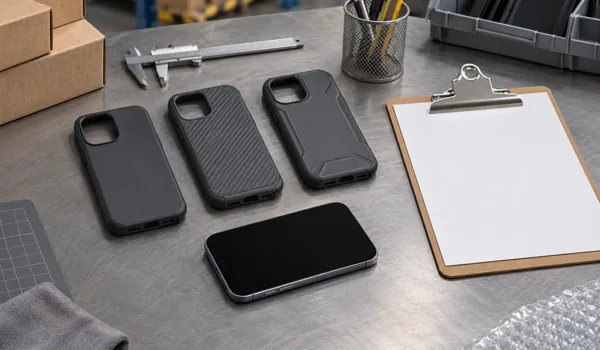
Keep the original photos, the cycle log and the final fitted photos beside the approved sample ID. State which material, liner, tooling revision and device were used. If a supplier later changes a feature that carries the removal load, agree on which part of the trial needs repeating. The OEM sample approval checklist covers the wider review. Use this cycle record when customers are likely to take the case off often.
Frequently asked questions
1. Is a tight fit on the first install enough?
No. Check the same sample after the agreed removal and refitting sequence. It should still seat fully and meet the retention and handling criteria in the order.
2. What counts as one removal cycle?
Define it in the test plan. A useful definition is complete removal of the case and full reinstallation on the matching handset, following the agreed directions.
3. How many cycles should an OEM buyer specify?
There is no universal number. Agree on a count, intervals and conditions that represent the expected use and make them part of the purchase specification.
4. Can a test dummy replace the exact phone?
A dimensionally verified fixture may suit repeated handling. Confirm the finished fit and access on the exact phone, particularly if the fixture does not reproduce its finish or corner geometry.
5. What if one corner remains lifted after refitting?
Check the sequence against the instructions and compare with an untouched sample on the same phone. If the gap repeats, record its location and hold that configuration for review.
6. Do split-shell and flexible cases use the same removal method?
Not necessarily. Each construction can load different tabs, seams or corners, so use the directions intended for that exact design.
7. Does passing the removal trial establish drop protection?
No. A removal trial checks handling and fit after refitting. A drop claim requires its own evidence under the stated conditions.
8. When should a buyer repeat the trial?
Review changes to the material, corner geometry, retention tabs, liner or instructions. Repeat the affected checks if a change could affect how the case releases or seats.