



Phone Case Cosmetic Defects: How to Set Inspection Limits for Bulk Orders
To decide whether production phone cases are acceptable before shipment, use agreed appearance limits by surface zone and inspect them under the specified viewing conditions. Put those decisions in a dated appearance sheet. Include viewing conditions, marked inspection zones and identified reference samples. Otherwise, the buyer and inspector may disagree about what “reject scratches” means when the goods are ready to ship.
The method below is a proposed purchasing review for private-label brands and wholesale buyers, not a DUX DUCIS test result or universal defect standard.
Define the appearance requirement before choosing a sample size
An inspection plan determines how a lot will be sampled and accepted. It cannot decide for you whether a faint line on a clear back panel is acceptable. Set the product requirement first, then connect it to the agreed lot-inspection plan.
QIMA’s pre-shipment inspection overview describes checking finish blemishes, cracks, stains and other workmanship issues against predetermined tolerances. It also notes that the commissioning business sets the quality requirements. Settle those criteria before inspection; another buyer may accept a finish that your retail channel will not.
The broader OEM sample approval checklist establishes the product reference. This appearance sheet gives the inspector specific limits for judging production units.
Mark the surfaces that need different treatment
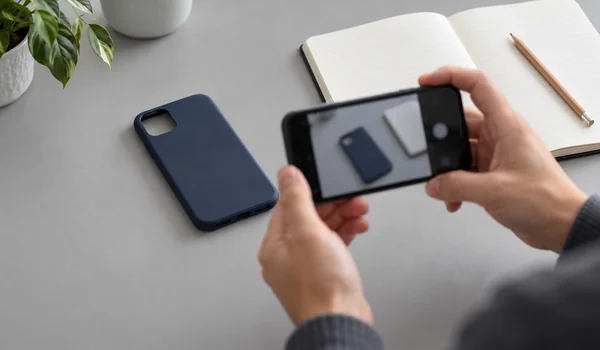
Photograph the selected case from the back, front, sides and inside. Mark the surfaces whose appearance matters differently in use. A retail-facing back panel, an edge touched during handling and an interior hidden by the phone need not share the same cosmetic criteria.
Do not call every inside surface unimportant. A rough internal edge may contact the phone, and excess adhesive may affect seating. Those observations need a functional or damage-risk review even if customers rarely see them.
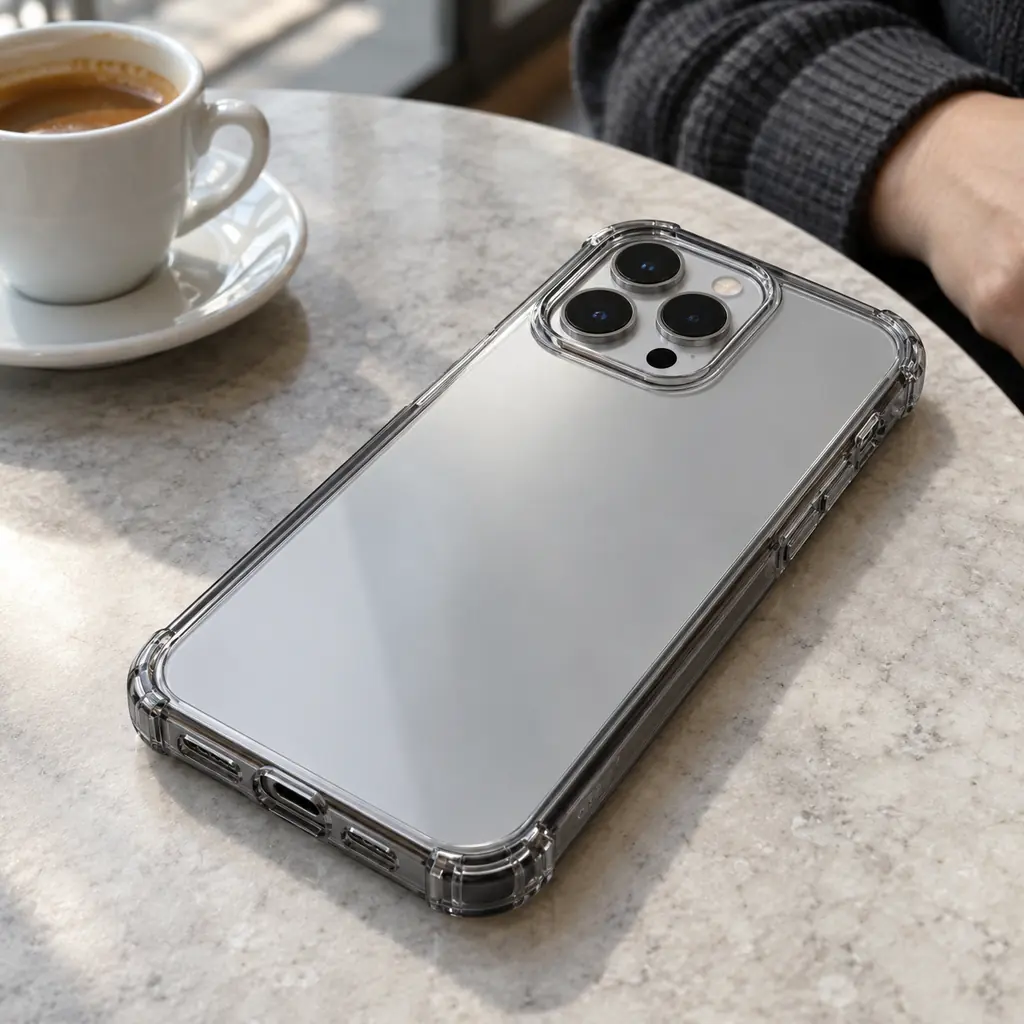
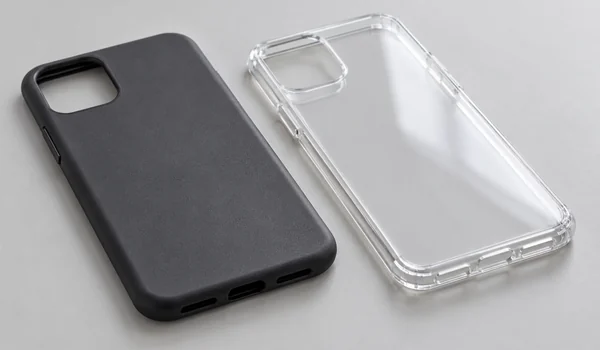
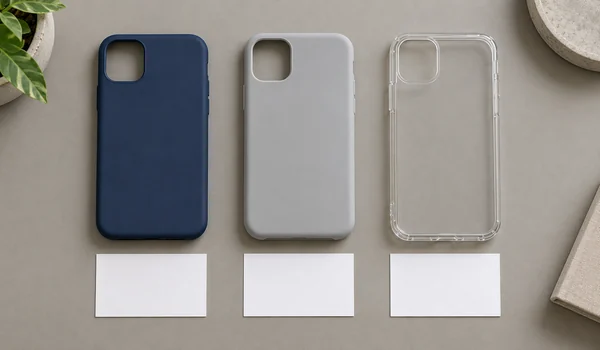
Describe each zone in words as well as on the photograph. For a folio, include the cover, spine, lining and card-pocket edges where relevant. For a clear shell, identify the background used to inspect the back and frame. Keep device-specific openings visible on the map rather than copying one map across unlike models.
Agree how people will look at the case
Set a repeatable viewing arrangement with the supplier or inspection provider. Record the lighting, background, viewing distance, angle, inspection time and whether any magnification is required. Both parties should be able to repeat the arrangement. Do not change the light during a dispute merely to make a mark disappear.
For a transparent case, use the agreed background and, where needed, the intended phone appearance. For a glossy surface, specify the views used to assess reflections. A mark visible only after prolonged examination under a phone flashlight should not silently become equivalent to one visible under the agreed inspection conditions.
State whether inspection happens with protective film in place, after film removal, or in both conditions. If removing film changes the supplied packaging, agree how inspected units will be protected afterward. Do not improvise a cleaner or solvent to improve a result; use only the confirmed product-care method.
Color matching has its own reference and measurement questions. Keep those requirements in the color-matching specification rather than hiding a shade disagreement inside a general cosmetic grade.
Build a defect reference sheet
For each appearance issue, assign an identifier and record its location and description. Add the applicable limit and an example showing the decision. Where a measured dimension matters, define how it is measured and the required tool. This article supplies no universal scratch length, spot count or viewing distance.
| Observation | What the appearance sheet should resolve | Evidence to retain |
|---|---|---|
| Scratch or scuff | Surface zone, visibility under the agreed conditions, and any specified size or quantity limit | Whole-part location photo and close-up with a suitable scale if measured |
| Speck, stain or trapped particle | Whether it is on film, removable from the surface, or within the finished construction | Before-and-after observations using only the agreed handling method |
| Flow line or uneven gloss | Whether it matches an approved appearance example or exceeds a defined limit | Reference comparison under the same light and viewing angle |
| Seam, edge or adhesive residue | Cosmetic appearance and any separate effect on touch, fit or the phone | Location, extent and functional-review result where relevant |
| Coating or decoration blemish | Which finish or artwork requirement it departs from | Case revision, affected area and the corresponding approved reference |
The table leaves severity open for a reason: a faint mark and a crack on the same panel can require different decisions.
Keep acceptable and unacceptable examples together
Where practical, retain an acceptable example and an unacceptable example close to the agreed boundary. Label each with the defect identifier, zone, case reference, date and decision. A boundary sample should represent a settled limit; it is not a specimen that everyone still disagrees about.
Photographs help identify the location and explain the decision. Exposure, compression and reflections can hide or exaggerate a mark. Record whether the physical reference or a documented measurement controls a disputed decision, and agree who resolves a conflict between them.
Protect the references from wear and check their condition before reuse. An aging or scratched reference should not gradually relax the purchasing standard.
Separate cosmetic differences from functional concerns
A visible issue is not necessarily minor. A rough edge may scratch a handset, or a lifted liner may stop the case seating. A crack near an opening needs its own assessment. Record the observed effect and route it to the appropriate requirement instead of accepting it under a cosmetic allowance.
Agree severity categories with the supplier and inspector before the lot is reviewed. Use intended use and the written specification to determine the category. Avoid moving an issue into a less severe class simply because too many units show it.
An agreed cosmetic concession should identify the affected lot, difference and approving person. State whether it applies only to that shipment. It should not silently replace the ongoing specification or excuse an unresolved functional problem.
Record affected units as well as individual findings
One case can have a scuff and a stain. That is one affected unit with two recorded findings. Keep the unit identifier with each finding so the report can support the counting basis required by the inspection plan.
Hypothetical record: Unit C-014, clear back panel, scuff visible under the agreed viewing method, reference sheet revision B. Record the location photograph and applicable limit before assigning the agreed severity. If the same unit also has a stain, retain two findings under the same unit ID. This is a record-format example, not a DUX DUCIS inspection result.
ASQ’s attribute-sampling guidance distinguishes nonconforming units from nonconformities and explains that sampling plans define sample sizes and acceptance criteria. Confirm which basis your plan uses rather than swapping a defect count for a unit count.
For a mixed-model order, retain results by the agreed lot, SKU, finish or other relevant grouping. Ask the inspection provider to define the lot boundaries and sampling coverage. A result dominated by black opaque cases should not be presented as evidence that an unexamined clear-case line passed its appearance review.
The report should identify the inspected quantity, reference-sheet revision, findings, classifications and decision under the agreed plan. Include the sample totals alongside the close-ups. Without them, the buyer cannot tell whether a photograph shows an isolated finding or one of many similar marks.
Resolve a disputed result without changing the rules mid-inspection
First check that both parties used the correct product revision, surface zone, viewing arrangement and reference. Compare the same identified unit. If the pictures are inconclusive, request a clearer view or physical review rather than voting on differently lit photographs.
If the disagreement could change acceptance, keep the affected goods on hold. Record whether the next action is clarification, sorting, rework, replacement or a specifically authorized concession. Agree responsibility and any further inspection before release; removing the few failed sample units alone does not establish that the remaining lot meets the requirement.
Any additional sampling after a failed result must follow the pre-agreed plan. Do not draw fresh samples repeatedly until one passes.
After corrective work, retain the original report and link it to the new review. Do not overwrite the first result. If the requirement itself changes, issue a new revision and specify which orders it covers.
Send the appearance sheet with your DUX DUCIS enquiry
The DUX DUCIS manufacturing and quality-control page asks buyers to agree appearance and order-acceptance criteria. For an OEM or private-label enquiry, send the case references, device and color quantities, zone photographs, finish requirements and proposed appearance examples.
Ask which criteria can be confirmed for the selected construction, what remains open and how inspection will be arranged. Keep the approved appearance sheet with the order, sample record and lot-inspection instructions. Give the supplier and inspector the approved revision, and withdraw superseded copies from the current order instructions.
Frequently asked questions
1. Is an approved phone case sample enough to define cosmetic quality?
Not by itself. It shows one accepted product, but may not show the largest permitted mark or every inspection zone. Add written viewing conditions, defect descriptions and agreed limit examples so production units can be judged consistently.
2. Should every surface use the same scratch limit?
Not automatically. Define zones around visibility, handling and intended use, then agree the applicable criteria. An interior surface may need a functional review even when it is hidden. Do not infer permission for a mark simply because it is on the inside.
3. Can a photograph settle an appearance dispute?
It can show location and support discussion, but lighting, reflections and image processing can change the apparent severity. Compare the same unit under the agreed conditions and use the controlling physical reference or measurement where specified.
4. What is a boundary sample?
It is an identified example representing an agreed acceptance limit. Label its defect, zone, product reference, date and decision. Keep accepted and rejected examples where useful, and replace damaged references through an agreed review rather than silently changing the limit.
5. Are all cosmetic defects minor defects?
No. Severity depends on the agreed specification and effect on intended use. A visible crack, sharp edge or displaced liner can raise functional or damage concerns. Assess those separately instead of treating every appearance issue as a minor allowance.
6. How should several defects on one case be counted?
Record each finding against that unit’s identifier, then apply the counting basis required by the inspection plan. One unit with two findings is not the same as two affected units. Retain enough detail to distinguish the two.
7. Does removing failed samples make the rest of the lot acceptable?
No. Removing the observed units does not establish the condition of the unexamined goods. Agree the corrective action and any sorting or further inspection required before release. Keep the original findings linked to the subsequent decision.
8. Can a one-time cosmetic concession apply to future orders?
Only if that change is explicitly agreed. A lot-specific concession should identify the affected goods and accepted difference without automatically changing the standing requirement. Issue and approve a revised specification if future orders are intended to follow a new limit.