

Custom Phone Case Colors: How to Specify a Consistent Match
To specify custom phone case colors, identify the physical color target and the finished surface it applies to. Agree how the supplier will assess the match, then keep that method with the order. Later shipments need to be checked against the same reference.
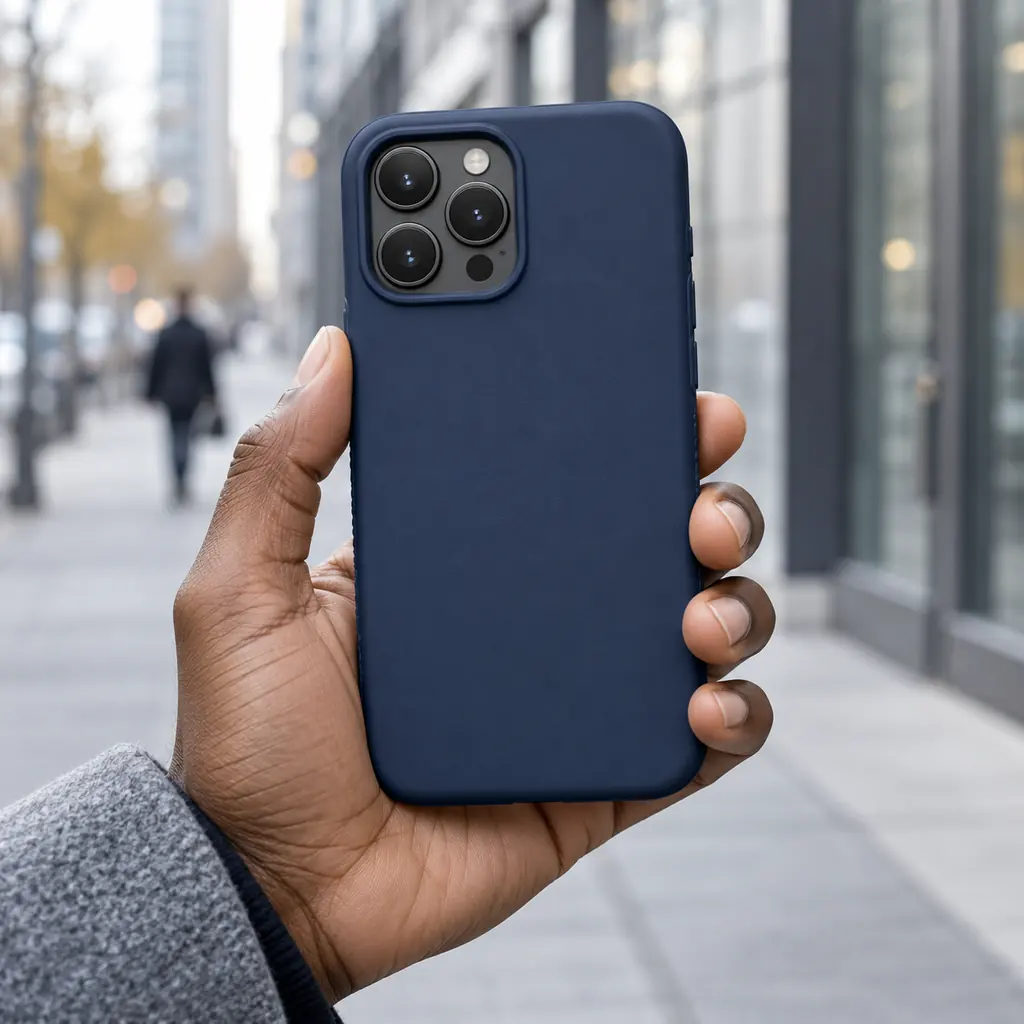
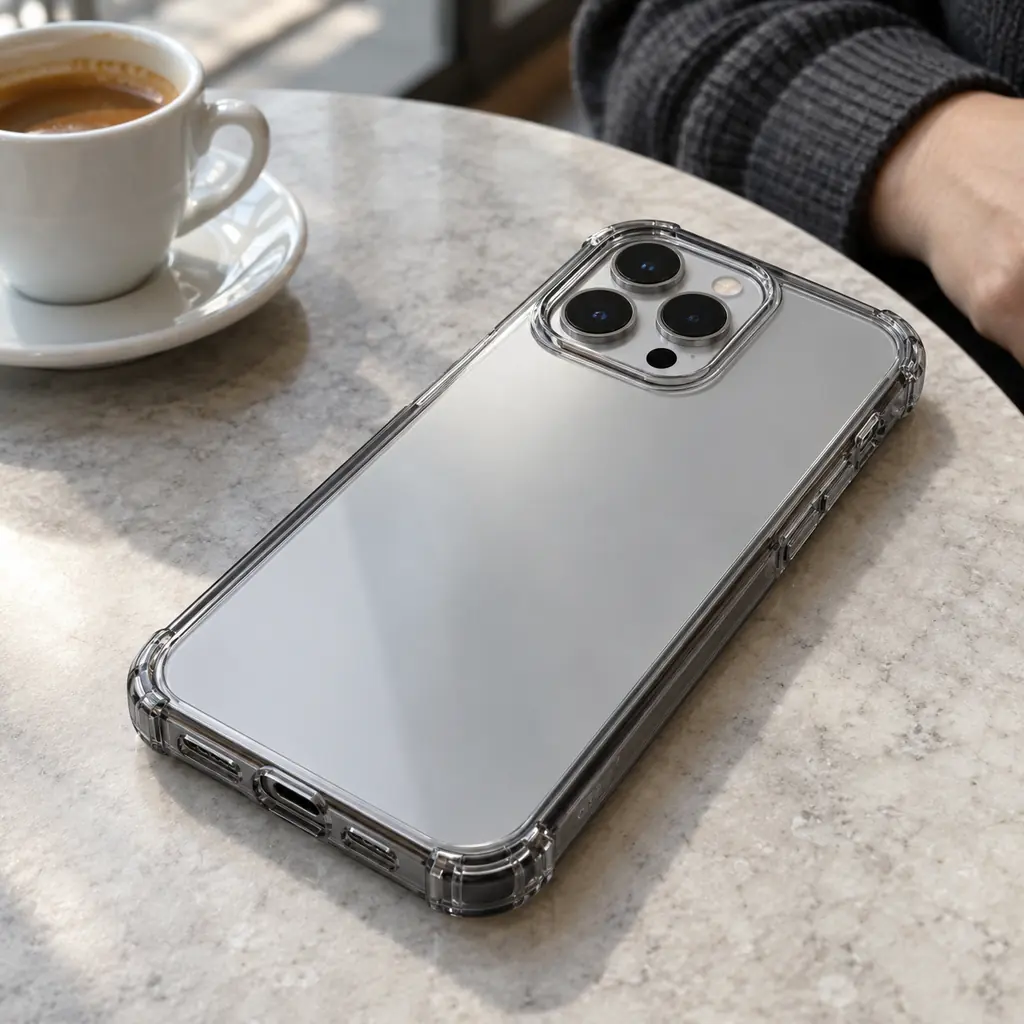
A navy frame and navy back panel may use different materials but still need to look coordinated. A translucent case changes appearance over a dark phone. Resolve those expectations before production, while the construction and color proposal can still be adjusted.
Identify the color reference and the component it applies to
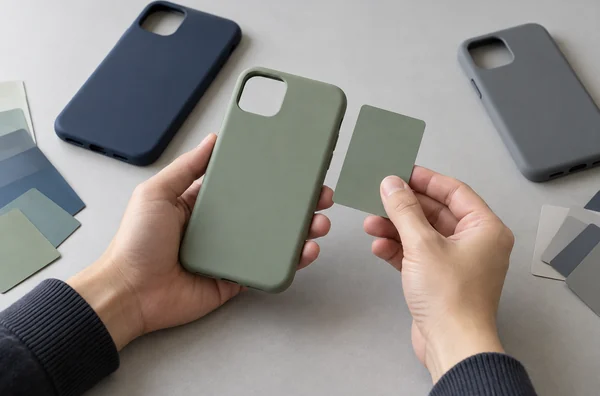
Write the complete color reference, including the system and suffix where applicable. State whether it comes from a physical plastic chip, a printed guide, another finished product or a supplier sample. Ask the supplier to confirm which physical reference it will use.
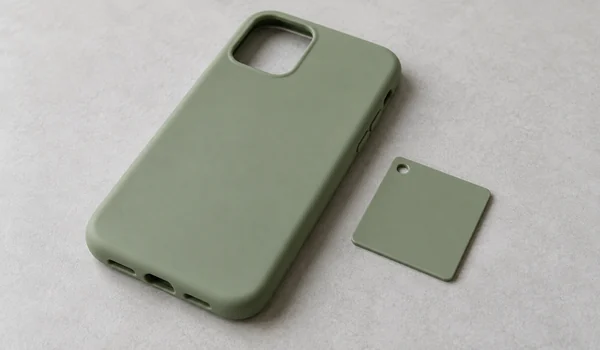
Pantone's Plastic Chips are polypropylene standards with different thickness levels and glossy and matte surfaces. Identify which face and thickness you are referencing. Review any proposed match from a printed-paper guide on the selected plastic; the reference medium and finished-case material can differ.
Use the reference to communicate the target, then approve a finished-case version. Identify both the target and the accepted case sample, including any agreed difference. Photographs and renders can show placement or describe a proposed shade, but camera settings, lighting and screens make them unsuitable as the sole color acceptance standard.
For a multi-component design, specify whether the frame, back, buttons and other visible parts should match or deliberately contrast. Give each component its own reference and review the assembled case. Decide whether "navy" means a close match across components or an intentionally different shade on each.
Judge color together with the actual finish
Describe the surface used for the color trial: smooth, textured, frosted or coated, and translucent or opaque. An unfinished shell is a poor reference for a case that will receive a tinted coating.
Konica Minolta explains how gloss and surface texture change color appearance. Two parts colored alike can look different when their surfaces reflect light differently. If a matte back and textured edge are meant to look coordinated, approve that combination rather than insisting that a color number alone describes the result.
Keep gloss and texture requirements alongside color. Investigate an unexpected polished patch or uneven coating separately, even if the reported color difference passes.
For translucent parts, define the background used in evaluation. Konica Minolta's plastic appearance guidance notes that formulation and thickness affect opacity. Agree the measurement method and specimen thickness; do not compare a thick resin plaque with a thin case wall without establishing what that comparison can show. If the intended phone remains visible through the case, include the relevant phone backgrounds in the appearance review.
The TPU, PC and silicone comparison covers the earlier material decision. Once the construction is chosen, keep the color specification tied to it.
Agree the lighting before deciding whether colors match
A pair of components can look alike under one light and different under another. This effect, called metamerism, matters when a case combines materials or colorants. X-Rite's explanation of metamerism describes the difference between matching under one lighting condition and having the same spectral response.
Choose a reference viewing condition with the supplier and add lighting relevant to the sales channel, such as a specified retail light. Record the light sources, viewing arrangement and background so both sites can repeat the comparison. "Daylight" or "office light" leaves too much room for interpretation.
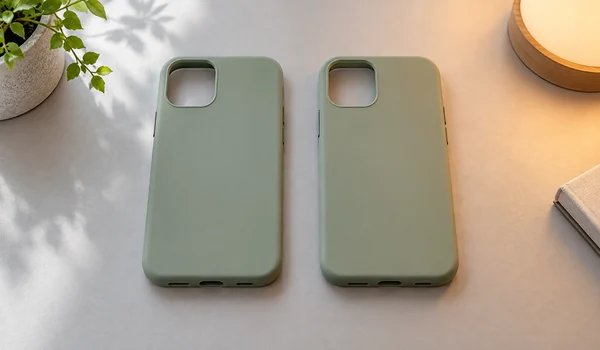
Check adjacent components together. A separately approved blue back and blue frame may still make an unattractive pair. Compare the new sample and its reference side by side under the same lights.
If the mismatch appears only under one light, record the light and the affected components. That gives the supplier a specific problem to investigate. Any accepted difference should state which viewing condition it applies to.
Make a Delta E result meaningful
Delta E expresses a calculated color difference. CIE76 and CIEDE2000 are different calculation methods, so a report must identify which one it uses. "Delta E passed" leaves the formula, measurement conditions and limit unresolved. There is no universal acceptance threshold for phone cases.
X-Rite's color measurement guidance explains why different instruments, apertures, settings and calculations can produce conflicting decisions. Agree the method before assigning a numerical limit. Have the supplier or measurement provider demonstrate that repeated readings on the proposed part are sufficiently consistent for that limit to be useful.
Use a shared measurement record:
| Record | Agree before comparing results |
|---|---|
| Reference and sample | Component, physical reference ID and revision. |
| Instrument setup | Type or model, geometry, aperture and calibration status. |
| Sample presentation | Measurement location, fixture, orientation, backing and condition. |
| Viewing and calculation | Illuminant, observer, measurement mode and color-difference formula. |
| Acceptance | Tolerance, treatment of repeated readings and visual review. |
For sphere instruments, clarify whether the result uses specular component included, SCI, or specular component excluded, SCE. These modes handle surface reflection differently. Have the measurement provider select a setup for the agreed purpose and use it consistently at both sites.
A narrow rim or curved corner may be difficult to position consistently. Mark the measurement location and establish a suitable fixture or method. If a separate flat plaque is used, identify what it can approve and which checks still apply to the finished case.
X-Rite's guide to sharing color data recommends retaining the standard identity, spectral data, tolerance and measurement conditions. Request those details with a report, not just a photograph of a pass screen. Agree how visual findings and numerical results will be used, and who resolves a disagreement.
Decide what the color inspection must catch
Define where color will be checked and keep results distinguishable by component and lot. Include a rule for local defects so a good average cannot conceal a visible patch.
Consider an illustrative order with a blue PC back and a blue TPU frame. The back meets its agreed instrumental limit, but the frame looks greener under the specified retail light. Record the assembly mismatch rather than averaging the two component results into a pass. The buyer and supplier need to decide whether the component targets or the manufacturing proposal must change.
Set separate criteria for streaks and uneven coating. Keep aging claims separate too: a match on delivery does not establish resistance to yellowing or fading over time.
The wider OEM sample approval checklist explains how this color record fits with product release. It does not replace the color-specific method agreed for the order.
Keep one standard across batches
Compare each new batch with the approved reference. Avoid using only the previous shipment as the next target: small accepted changes can accumulate until the range has moved away from its original color.
Retain identified working references and backups, and check their condition before use. X-Rite's measurement pitfalls guidance explains how dirt, damage and inconsistent sample preparation can compromise comparisons. A worn display sample should not silently become the purchasing standard.
Link color results to the finished-product lot and component revision. Require notification of changes that could affect the match, including resin, colorant or coating substitutions. An unchanged catalog color name does not establish an unchanged formulation.
Protolabs describes how resin and colorant choices affect consistency, including the difference between adding colorant to natural resin and using pre-compounded material. Ask which route is proposed for your order and what would be reviewed if it changes. A process described by another manufacturer does not establish how DUX DUCIS will make a particular case.
If a lot fails, identify and hold the affected goods while the cause is investigated. Keep the master reference unchanged. Any concession should name the lot and accepted difference, with a clear decision on whether future orders remain subject to the original requirement.
Send DUX DUCIS a usable color brief
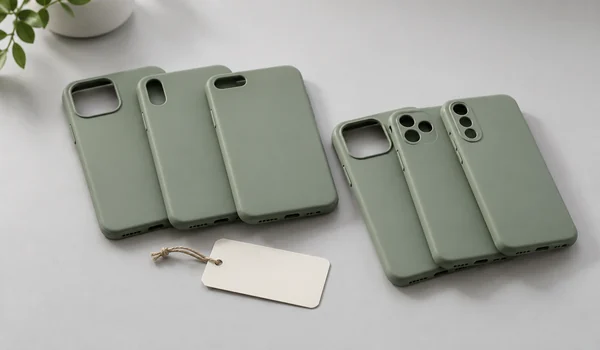
The DUX DUCIS OEM / ODM service includes discussion of colors, materials and surface finishes. Final options depend on the selected model, material and order. Ask which evaluation methods are available for your project, including outside testing if needed.
Send the following through the contact page:
- Case references, exact devices and quantities by color and model.
- The component or assembly to be matched, with its material and finish.
- Full color codes, physical target references and any approved finished-case sample IDs.
- Intended appearance, including component matching, transparency and viewing background.
- Required viewing conditions and any instrument protocol or tolerance already agreed.
- Requested trial, reporting and repeat-order change-review requirements.
If the method is still open, ask the team to propose one for the selected construction. Resolve it before the color requirement is released for production.
Frequently asked questions
1. Is a Pantone number enough to order a custom phone case color?
Use it to identify the target, then add the acceptance requirements. Identify the Pantone system and reference format, then agree the finished material, surface and physical target. Approve the actual case appearance and define how the supplier will compare production with that reference.
2. Can I approve the color from a photo or screen rendering?
Use photos and renders for communication, but not as the sole color standard. Lighting, cameras and displays can change the apparent shade. Use an identified physical reference and agreed viewing conditions, with instrumented measurements where the project requires them.
3. Why can the same color look different on a TPU frame and PC back?
The formulation, finish, texture and opacity can differ, and each affects appearance. Components can also match under one light but diverge under another. Review the assembled combination under the agreed conditions instead of assuming a shared color code guarantees a visual match.
4. What Delta E tolerance should I request?
There is no universal value for phone cases. Agree the calculation formula, instrument setup, sample presentation and acceptable visual difference with the supplier or measurement provider. Set a realistic limit using relevant samples and a repeatable method, rather than copying a number from another product.
5. Does a passing color measurement mean the finish is acceptable?
A reported color difference does not cover every aspect of appearance. Gloss, texture, opacity and local defects need their own review. Specify their acceptance requirements separately and state how instrumental results and visual review work together when deciding whether a component or assembly passes.
6. How should I specify a transparent or translucent case color?
Identify the intended tint, thickness, finish and viewing background. Agree a method suitable for the material's light transmission or reflection and define any opacity requirement. Review the finished case on the relevant phone backgrounds rather than relying only on a resin sample.
7. What should I check when reordering the same color?
Confirm the reference and specification revision, then ask whether the material, colorant, coating or relevant production process has changed. Compare the new lot with the retained approved target. Keep any prior one-lot concession separate from the ongoing specification.
8. What should I send DUX DUCIS for a color-matching inquiry?
Send the chosen case references, device and quantity breakdown, component materials and finishes, full color references and intended appearance. Include physical samples where needed and any viewing or measurement requirements. Ask which options and evaluation arrangements can be confirmed for that specific order.