
Custom Logo Phone Cases: A Buyer’s Guide to Methods and Durability
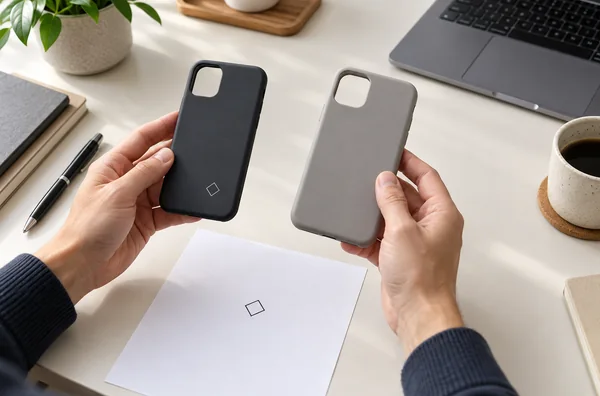
For custom logo phone cases, choose the marking method around the surface that will carry it. Then specify the artwork and the checks the finished logo must pass. Screen and pad printing, digital UV printing, laser marking and molded lettering offer different results; the case material, finish and intended use determine which options are worth sampling.
Brands and distributors should send a decoration specification with their inquiry. Include the component to be marked, logo position and color, quantities by variant and required durability checks. That gives the supplier something to assess before making a sample. A sharp screen proof cannot show how ink will behave on a coated or flexible case.
Identify the surface that will actually carry the logo
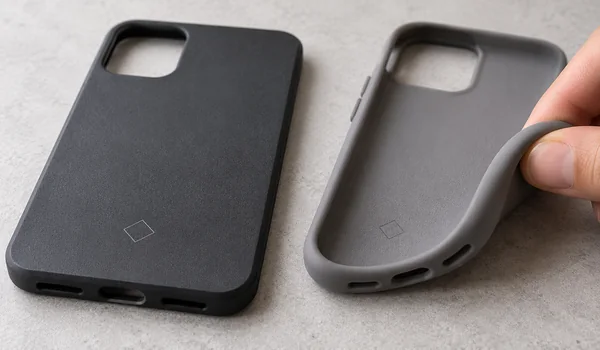
On a case sold as “TPU + PC,” a logo on the rigid back faces different conditions from one on the flexible edge. A coating, leather-look covering or textured finish adds another variable. Ask the supplier to identify the outermost surface beneath the mark, not just the main material listed in the catalog.
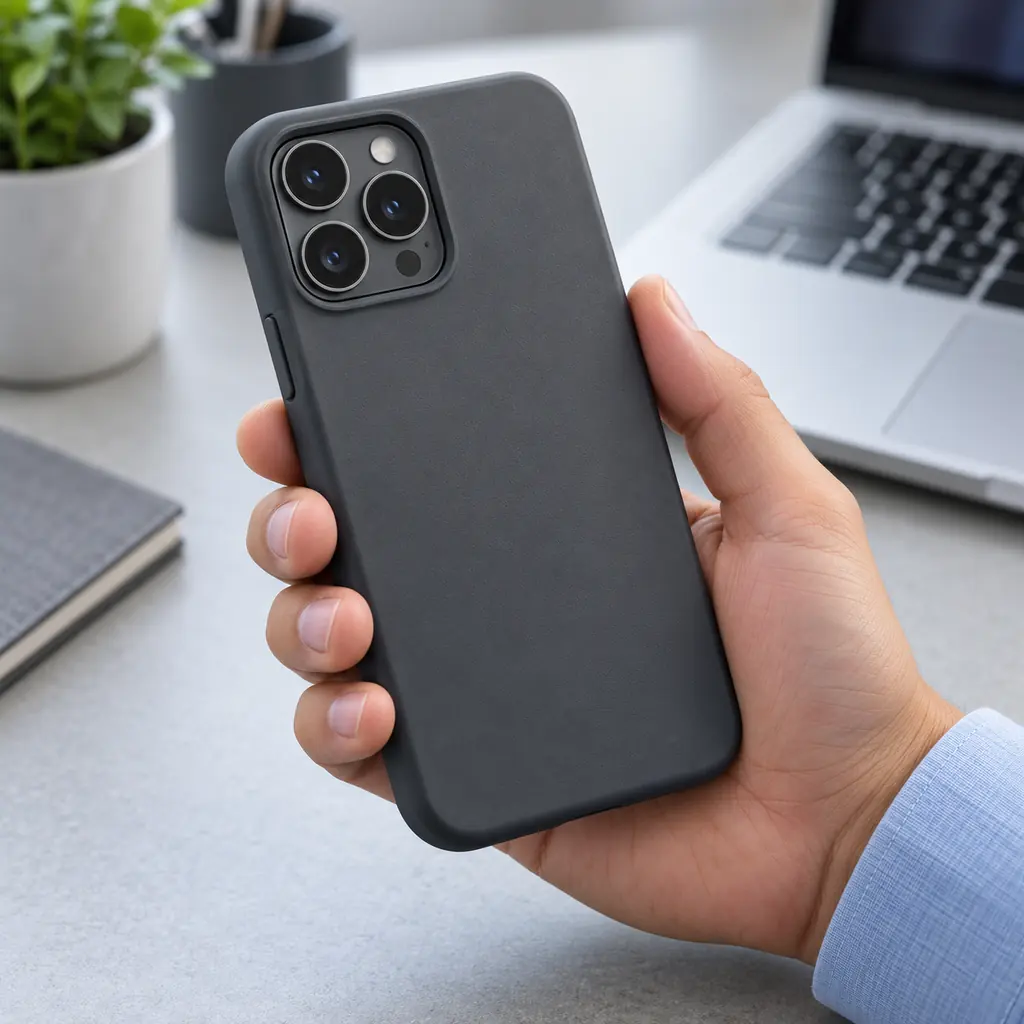
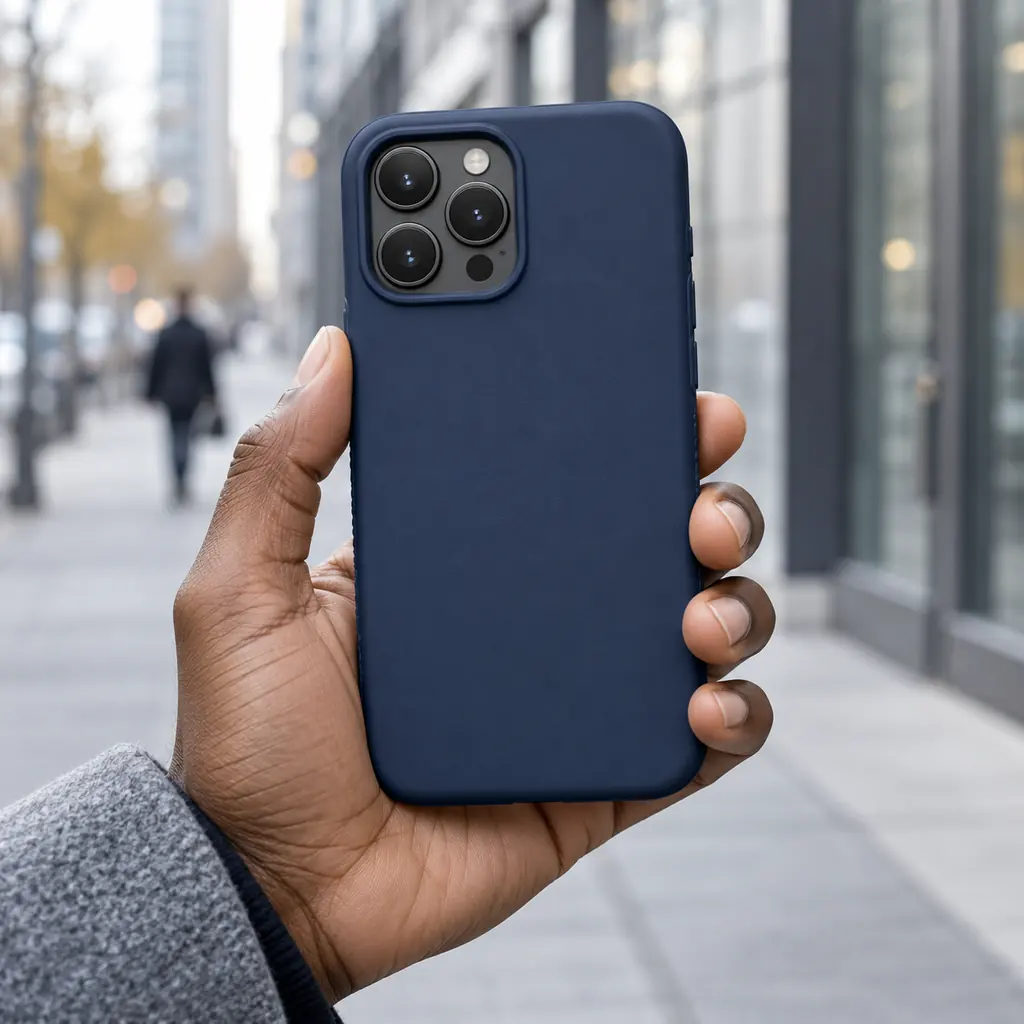
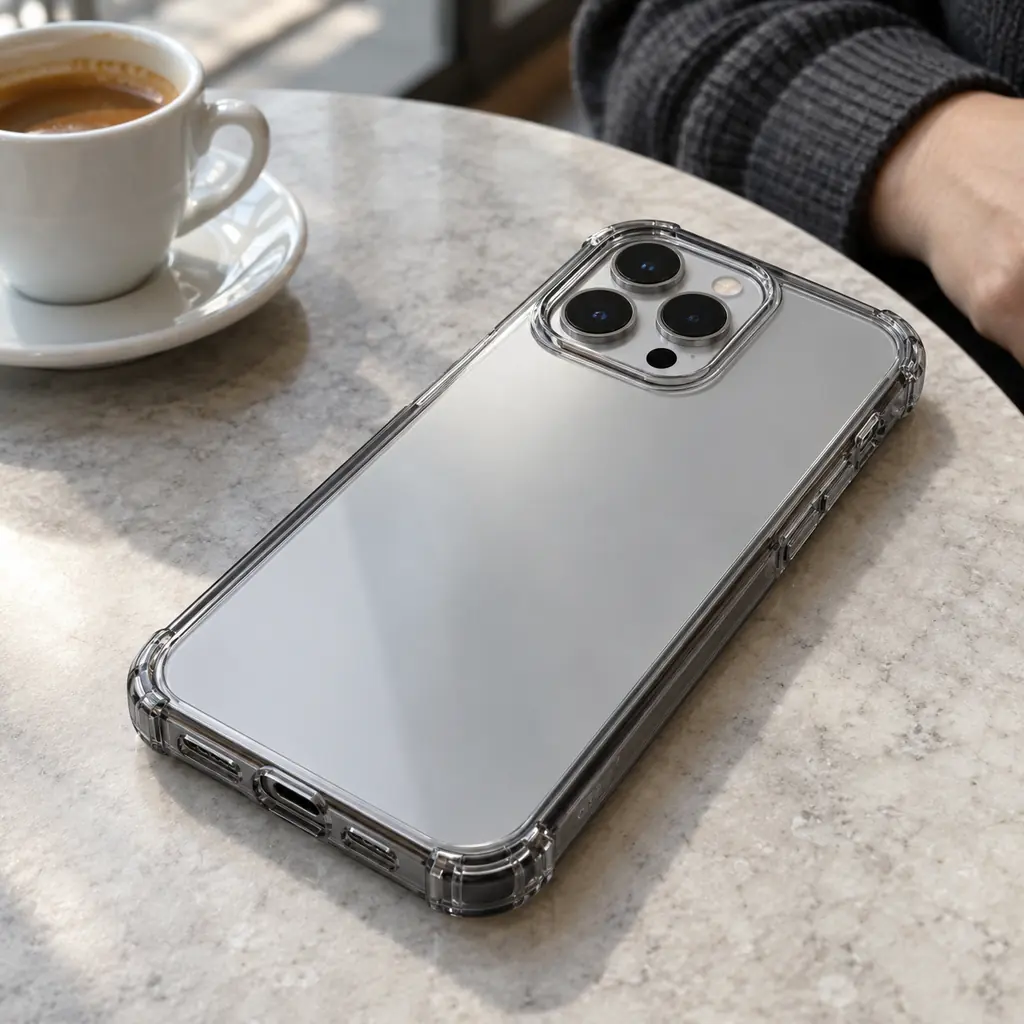
For example, the DUX DUCIS iPhone 16 frosted magnetic case, SKU iphone-16-v3, lists a frosted PC back and TPU edges. A branding inquiry for that design should name the intended component and location. That product description does not establish which custom logo treatment is available; the supplier still needs to assess it.
Confirm whether the logo is applied before or after a surface coating and whether any primer or protective layer forms part of the proposal. Have the decorated sample use the intended production surface. A successful print on a smooth, unfinished shell tells you little about the same artwork on a different coating.
Shortlist methods by the result you need
Use this comparison to shortlist options with the supplier. Availability depends on the selected case, and the quotation should state any material, finish or artwork restrictions.
| Method | Consider it for | Confirm before choosing |
|---|---|---|
| Screen printing | Defined ink colors on an accessible printing area. | Surface suitability, color separations, coverage and ink adhesion. |
| Pad printing | A compact mark on a shaped component that a transfer pad can reach. | Image distortion, placement, color registration and suitable ink. |
| Digital UV printing | Multicolor or detailed artwork on a suitable printable surface. | Ink and surface compatibility, white-ink layers, texture and flexibility. |
| Laser marking or engraving | A mark created by changing or removing material at the surface. | Material suitability, achievable contrast, depth and edge appearance. |
| Molded raised or recessed lettering | A relief logo incorporated into the component geometry. | Tooling changes, fine-detail limits, relief dimensions and later revision costs. |
Printed logos need an ink system matched to the surface
Two screen-printing or pad-printing quotes can propose different inks, surface preparation and curing conditions. Find out which combination has been evaluated on your finished case.
Inkcups lists its SI Series silicone ink for pad and screen printing on true-silicone parts, including phone cases. Before requesting a printed sample, establish whether your case surface is silicone, TPU or a soft-touch coating. A “soft case” description leaves that unresolved. The Inkcups product is an example of a substrate-specific ink, not a confirmed DUX DUCIS material.
For digital UV work, ask what the quotation includes: color printing only, a white layer beneath the design, a clear effect or another treatment. Roland DG’s UV printing guide discusses phone-case applications and separate artwork data for white and gloss ink. Approve the proposed layer arrangement on the chosen case color rather than relying on a white-background screen preview.
Laser marks and molded logos need a different brief
Laser marking may change the surface color or remove material, depending on the process and substrate. Trotec explains that plastic composition, color and thickness affect laser results. Request a trial on the exact proposed version. A mark that looks clear on a black sample may not produce the same contrast on another color.
For a molded logo, ask whether the lettering is raised or recessed in the finished part and have those dimensions shown in the design. Protolabs distinguishes mold-cavity engraving from direct part marking; those are different manufacturing decisions. Clarify which tool or insert changes, what the setup charge covers and how a future logo revision would be handled. Neither a molded mark nor a laser mark should be described as wear-proof without relevant evidence.
Prepare artwork for each phone-case variant
Send a vector master where practical and ask the supplier to confirm the file format it needs. Specify the finished logo dimensions and orientation. Identify the artwork revision, color references and any details that must not be altered, such as a trademark symbol or the spacing between letters.
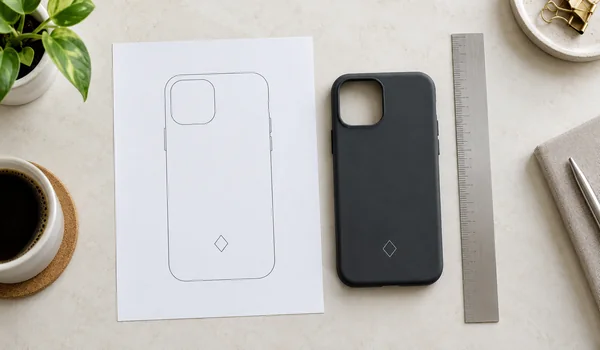
Give the supplier a drawing or annotated layout for each case geometry. A shared instruction to “center the logo” can be interpreted from the whole case, the exposed back panel or the area below the camera. Choose reference edges or other defined features, then agree the dimensions and placement tolerance. Ask the supplier to flag fine lines or small lettering it cannot reproduce reliably before it prepares samples.
For a multi-color assortment, review opacity and contrast on each relevant background. A clear case also needs an agreed viewing background because the phone beneath it can change the appearance. Decide whether the range will use the same logo color throughout or approved light and dark versions. Keep those versions mapped to the correct case SKUs.
Separate adhesion, wear, flex and cleaning checks
“Durable logo” needs a more precise definition. Ask which failures matter for the proposed mark and agree the checks before choosing between samples. The checks below need project-specific methods and limits agreed with the supplier or laboratory.
For adhesion, check whether the printed layer remains attached under the agreed test. Record where any separation occurs. A failure between two coating layers needs a different investigation from ink lifting off the case surface.
For surface wear, look for color removal, blurred lettering or a changed finish after repeated rubbing. Define the contact material, load and motion, along with the test duration or cycles and permitted appearance change.
If the decorated area bends during installation or normal use, check for cracking, lifting or distortion. Agree the movement and repetition count, and test the finished component that will actually flex.
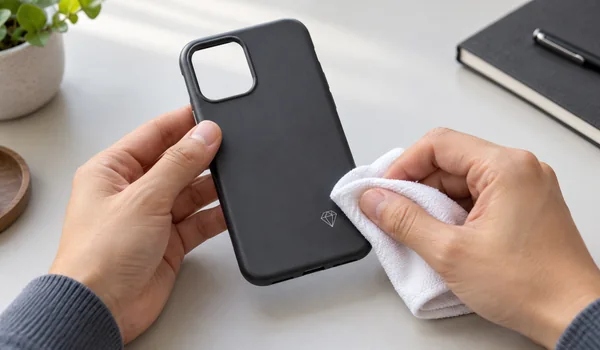
Cleaning checks should reflect the intended care instructions. Name the cleaner, concentration, wiping or exposure procedure, recovery period and acceptable result. “Chemical resistance” alone leaves the test conditions open.
Keep the sample identity and surface treatment specification with the test record, including conditioning, equipment and observations. If you do not have a method, have the supplier or laboratory propose one. An unexplained cycle count from another product listing is a poor basis for your acceptance limit.
A tape-test result does not answer every durability question
If a supplier cites ASTM D3359, ask for the edition, procedure and reason it is suitable for the sample. The public scope of ASTM D3359-23 concerns coatings on metallic substrates and discusses limitations when testing nonmetallic substrates. It also notes that tape and technique affect results. A generic “tape test passed” statement is therefore not a complete acceptance requirement for a flexible plastic case.
Even an appropriate adhesion result leaves other questions open, such as abrasion and cleaning behavior. Review those separately when they matter to the product. Keep an untouched appearance reference beside the tested sample so fading, damage or loss of contrast can be assessed consistently.
Compare decoration quotations on the same basis
Ask each supplier to quote the same case surface, artwork dimensions, colors, quantities and durability requirements. Separate one-time artwork, screens, plates, fixtures, tooling and sample charges from the recurring unit price. Confirm which of those items can be reused for a repeat order or a different device model.
Have the quotation identify any surface preparation, extra printing layer, coating or other operation included in the price. Also ask which steps affect the schedule. A price for an uncoated shell with a single-color mark should not be compared directly with one that includes a different surface treatment and decorated samples.
Record what happens if the logo, case color or finish changes after approval. A new coating or ink may call for another trial even when the artwork is unchanged. For the wider product release, use the OEM phone case sample approval checklist. The decoration specification should be one identified part of that package, alongside fit and other product requirements.
Send a focused logo inquiry to DUX DUCIS
The DUX DUCIS OEM / ODM service covers logo artwork, placement and treatment suitable for the selected material. Available options depend on the case and order. Send the following information through the contact page so the team can assess a specific proposal:
- Case references, exact devices, colors and quantities by variant.
- The component and finished surface you want to mark.
- Logo file, revision, dimensions, location and color requirements.
- Preferred appearance, with any methods you want compared.
- Required adhesion, wear, flexibility or cleaning checks.
- Sample needs, quotation breakdown and target delivery schedule.
Before releasing the branding work, request a decorated sample and written confirmation of the proposed method. The quotation should identify anything still awaiting a trial or approval.
Frequently asked questions
1. Which logo method is best for custom phone cases?
Start with the actual surface, artwork and desired result. Screen or pad printing may suit defined-color logos; digital UV may suit multicolor artwork; laser or molded marks offer different visual effects. Ask the supplier to demonstrate a suitable method on the selected material and finish, then compare the agreed durability results.
2. Can the same logo process be used on TPU, PC and silicone?
Do not assume it can. The ink, preparation and curing requirements can differ, and a coating may be the surface receiving the logo. Identify each decorated component and ask for a suitable process. Evidence from one material does not automatically approve another.
3. Is laser engraving always more durable than printing?
There is no universal ranking for finished phone cases. Laser results depend on the material and process, while printed-logo performance depends on the ink, preparation and finish. Compare the intended marks under relevant wear and exposure checks rather than selecting from the method name alone.
4. What files should I send for a custom phone-case logo?
Send the supplier’s requested artwork format, preferably a vector master where suitable, plus the file revision, finished dimensions, orientation and color references. Include a placement drawing for each case geometry and identify any white-ink or clear-effect layers needed in the proposed design.
5. Can one logo layout cover several phone models?
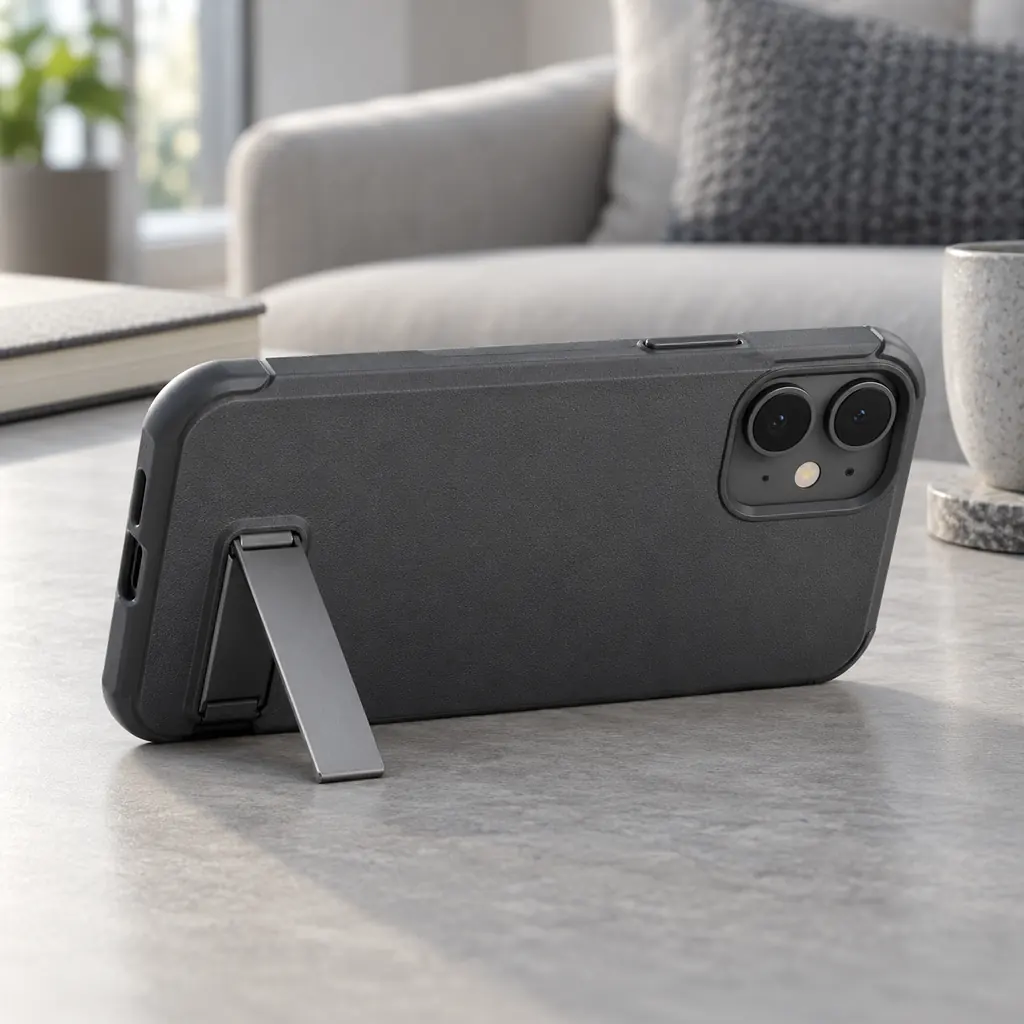
The artwork may be shared, but its placement needs review for each case geometry. Camera openings, stands and usable back-panel areas can differ. Keep model-specific layouts with dimensions from defined reference features rather than applying one unqualified “centered” instruction to the entire range.
6. Does a passed adhesion test prove the logo will not wear off?
It establishes only the result of that adhesion check under its stated conditions. Abrasion, flexing and cleaning can reveal different failures. Agree the relevant methods and limits for the finished case and retain the full results, not just a pass label.
7. What can change the price of custom logo phone cases?
Artwork size and complexity, colors or layers, surface preparation, fixtures, tooling, quantities and sample checks can all affect the quotation. Separate setup charges from recurring unit costs and ask whether each model or color requires another setup.
8. Can DUX DUCIS confirm a logo method before I order?
Send the chosen case reference, device and color quantities, artwork, intended location and durability requirements. Ask which treatments are available for that specific material and finish, what the quotation includes and which decorated sample should be reviewed before production.